
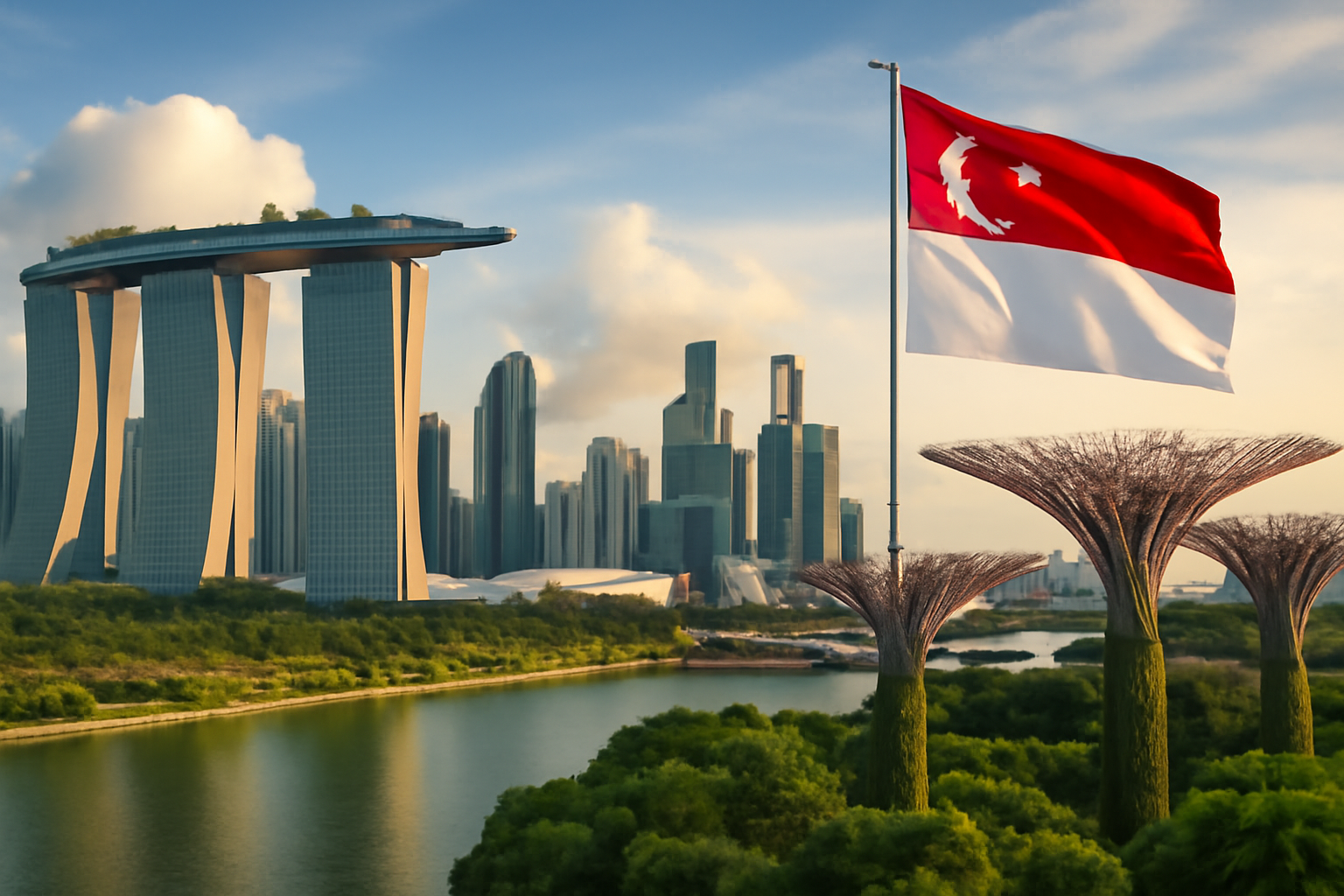
Singapore, a city-state nestled at the tip of the Malay Peninsula, is a beacon of success in many fields. Its rapid transformation from a colonial outpost to one of the wealthiest and most well-regarded nations globally has earned it widespread admiration. With its thriving economy, political stability, and focus on social integration, Singapore’s global image is largely positive, although there are complexities to how the world views this tiny yet powerful nation.
Singapore is globally recognized for its economic achievements. Despite its lack of natural resources, the country has become a global financial center and one of the world’s most important trading hubs. It is often considered a role model for countries that wish to improve their economic standing. Singapore’s business-friendly environment, low tax rates, and strategic location have made it a magnet for international companies looking to expand their presence in Asia. Its economic success is not only measured in numbers but also in the efficiency of its policies and the sophistication of its infrastructure.
On the urban front, Singapore is lauded for its pioneering approach to city planning. The city-state is renowned for its green spaces, extensive public transportation system, and innovative architecture. Known for its cleanliness and order, Singapore represents a high standard of living and a commitment to environmental sustainability. The country’s development of “smart city” technologies and emphasis on urban innovation continues to position it as a leader in sustainable development and future-oriented urban solutions.
Politically, Singapore is often regarded as a stable and well-governed nation. The PAP has maintained control of the government since the country’s independence, and its policies have fostered an environment of growth and prosperity. While the country’s leadership is praised for its efficiency and ability to make long-term decisions, critics point to the lack of political opposition and limits on civil liberties as areas of concern. This has led to debates about the balance between maintaining political stability and ensuring democratic freedoms.
The city-state’s commitment to multiculturalism and social harmony is another aspect that shapes global perceptions. Singapore’s population is diverse, with significant communities of Chinese, Malays, Indians, and other ethnic groups. The government has implemented policies to ensure integration, tolerance, and equal opportunity for all citizens, making Singapore a symbol of successful multiculturalism. This approach has garnered international praise, particularly in a time when issues of race, religion, and immigration dominate global discourse.
Singapore’s international influence extends beyond economics and governance. The city-state is recognized as a neutral and diplomatic player in the global arena. It plays an active role in regional and international organizations such as ASEAN, the United Nations, and the World Trade Organization. Singapore’s foreign policy is based on pragmatism, seeking to maintain strong relationships with both Western and Asian powers. This diplomatic strategy has further enhanced the country’s reputation as a respected global player.
In essence, Singapore’s global reputation is shaped by its exceptional economic achievements, urban innovations, political stability, and commitment to social cohesion. While there are criticisms of its political system, the overall image of Singapore is one of success and progress, with the city-state being regarded as an exemplary model of how a small nation can achieve greatness on the world stage.