
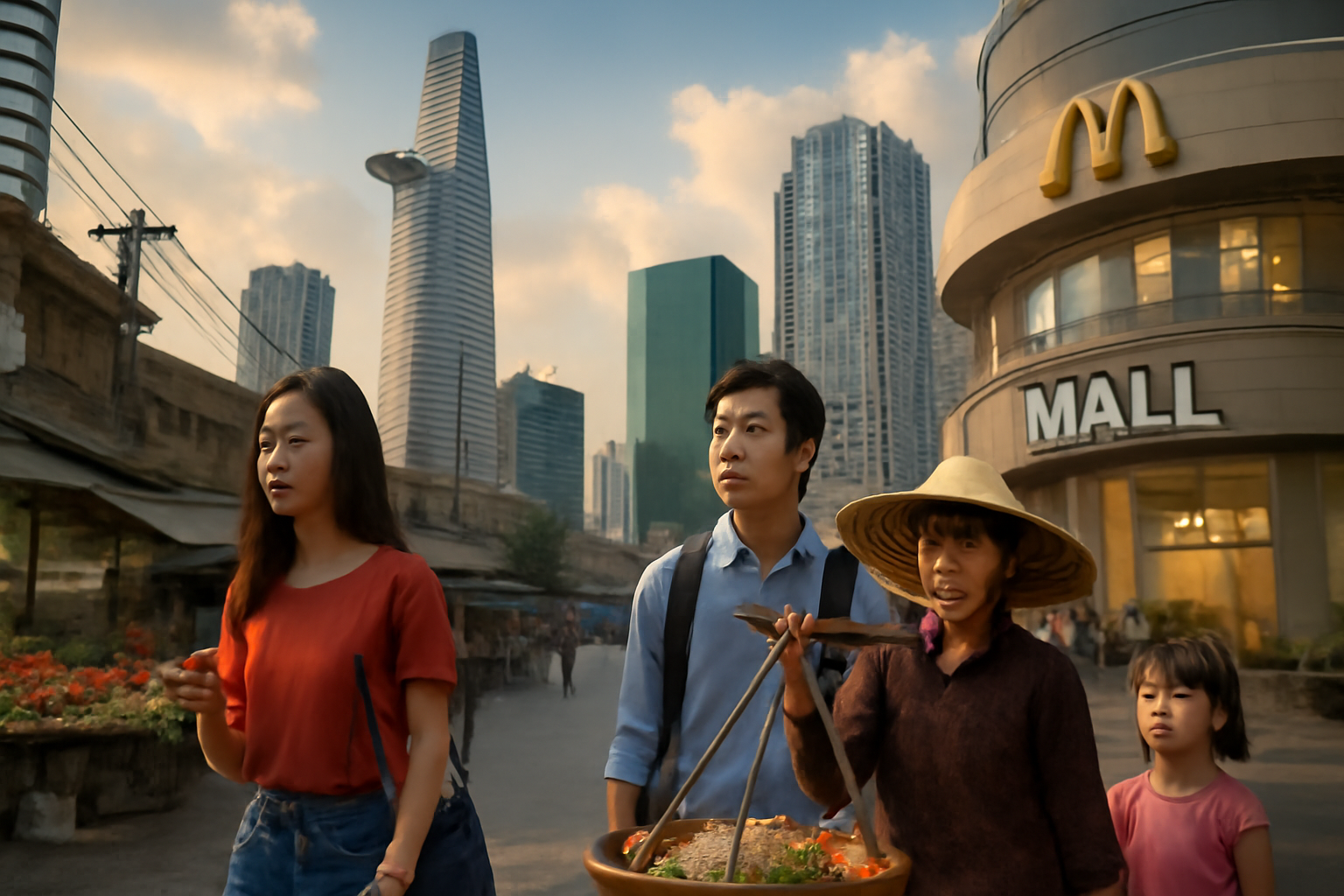
Vietnam is undergoing a profound transformation, driven largely by the forces of globalization. From changes in lifestyle to new economic opportunities, the effects of global integration are reshaping the social landscape of the country. As Vietnam continues to embrace modernization, its society is navigating a complex interplay between the traditional and the global.
A key aspect of this transformation is the rapid growth of urban centers. Cities like Ho Chi Minh City and Hanoi are experiencing unprecedented development, driven by foreign investments, multinational businesses, and infrastructure projects. The influx of people from rural areas in search of better employment opportunities is creating a booming urban population. This urbanization has led to the emergence of a more modern, cosmopolitan lifestyle that contrasts with the more traditional rural way of life.
Globalization has also altered the consumption habits of the Vietnamese people. In the past, traditional markets and local goods were the norm, but now international products and brands are widely available. The popularity of global consumer goods, from fast food to international technology brands, reflects a significant cultural shift towards more Westernized habits, particularly in urban areas. This shift has changed the way people shop, eat, and interact with the world.
Socially, the impact of globalization is seen in the changing values of the younger generation. Traditional Vietnamese culture emphasized collectivism and family-centered values, but Western ideals of individualism and career advancement are becoming more prevalent. This cultural shift is evident in the changing roles of women in society, as more women enter the workforce and gain greater independence.
Education has also been significantly influenced by globalization. In order to stay competitive in the global economy, there is an increasing emphasis on learning English and adopting international educational standards. Many Vietnamese students are now studying abroad, gaining exposure to different cultures and ideas that will better equip them for success in an interconnected world.
However, as Vietnam moves forward in embracing globalization, it must also address several challenges. Economic inequality between urban and rural areas is one pressing issue, as those in the cities benefit more from the country’s economic growth. Additionally, the rapid influx of foreign culture has raised concerns about the erosion of Vietnamese traditions and values. The nation faces the challenge of integrating the benefits of globalization while maintaining a strong sense of cultural identity.