
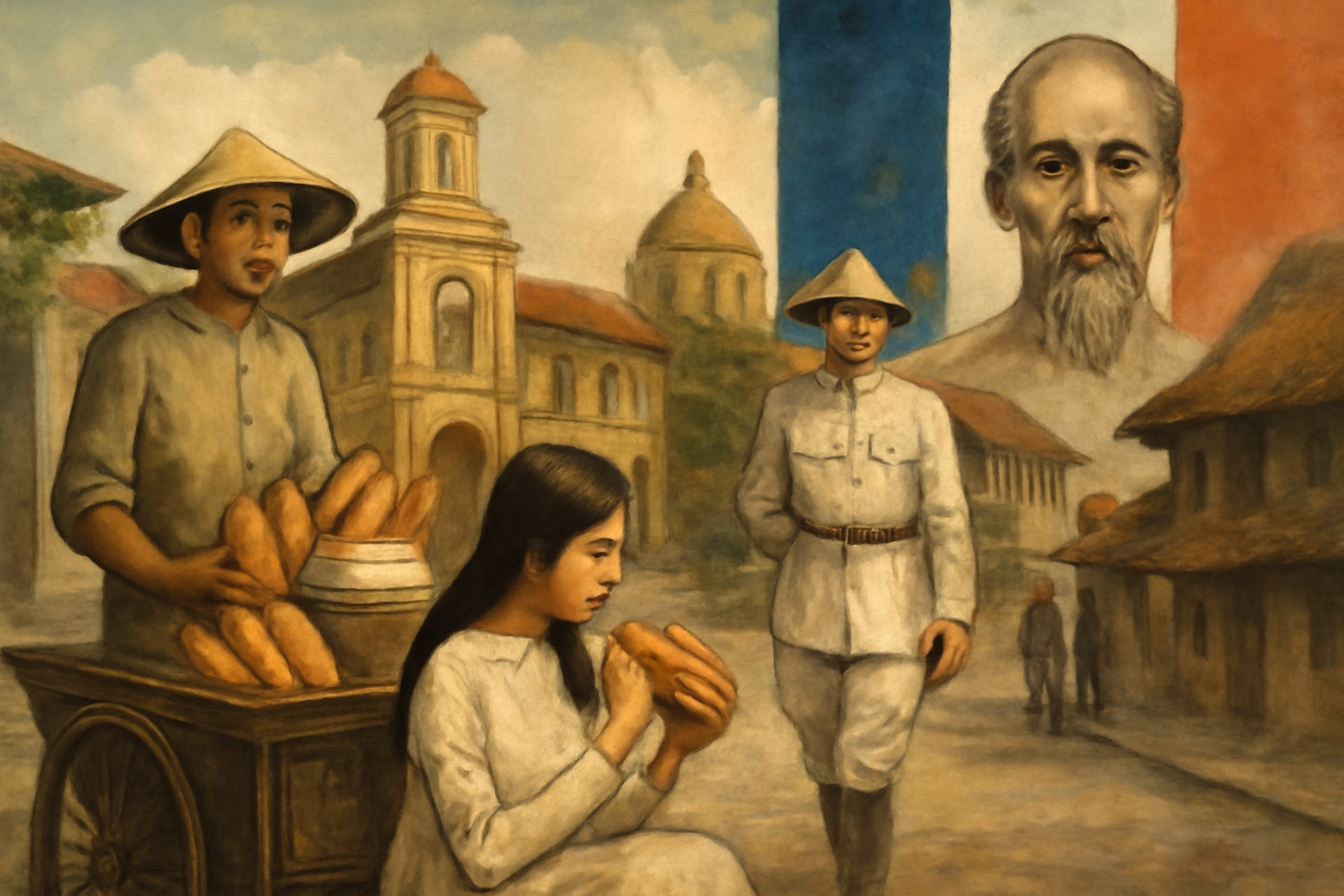
The French colonial presence in Vietnam, which lasted from the late 19th century until the mid-20th century, left an indelible mark on the nation. The legacy of this era can be observed in Vietnam’s political institutions, infrastructure, and culture. While the colonial period was a time of significant exploitation and resistance, it also introduced elements that would shape Vietnam’s modernization and identity.
When the French arrived in Vietnam, they established a colonial administration that subordinated the Vietnamese monarchy and imposed French governance over the country. The French centralized control through a system of direct rule, replacing traditional Vietnamese leadership with French officials. The colonial government exploited Vietnam’s resources, particularly rubber, rice, and other agricultural products, to fuel France’s economic growth. The French also built infrastructure, including railroads and ports, to facilitate the extraction of resources and improve transportation within the region.
The cultural impact of French colonialism is especially evident in Vietnamese architecture, language, and food. French architectural styles are still visible in many Vietnamese cities, where colonial buildings, such as the Hanoi Opera House and the Saigon Central Post Office, stand as reminders of the past. The wide boulevards and formal layouts of these cities were also influenced by French urban planning.
French also had a significant impact on the Vietnamese language, with many French loanwords incorporated into Vietnamese. French became the language of administration and education, and it was spoken by the educated elite. This linguistic legacy remains today, as many older Vietnamese still speak French, and the influence of French vocabulary can be found in areas such as food, government, and art.
In terms of cuisine, French colonization introduced new foods and culinary techniques that blended with local Vietnamese traditions. The most famous example of this cultural fusion is “banh mi,” a sandwich made with a French baguette and a variety of Vietnamese fillings. French coffee culture also took hold in Vietnam, leading to the creation of “cà phê sữa đá,” a popular iced coffee drink made with condensed milk.
While French colonial rule brought some cultural advancements to Vietnam, it also sparked resistance among the Vietnamese population. The exploitation of Vietnam’s resources and the oppressive policies of the French government led to the rise of nationalist movements, most notably led by Ho Chi Minh. These movements culminated in the First Indochina War, which ended with the defeat of the French at Dien Bien Phu in 1954, marking the end of French colonial rule in Vietnam.
The legacy of French colonialism is deeply embedded in Vietnam’s culture and history. Although the colonial period was marked by exploitation and resistance, the French left behind a significant cultural imprint, seen in the architecture, language, and cuisine of modern Vietnam. The interplay between colonial influences and local traditions has created a unique blend that continues to shape the country today.