
The RM1.05 Billion Deal That Shows How the Money Works
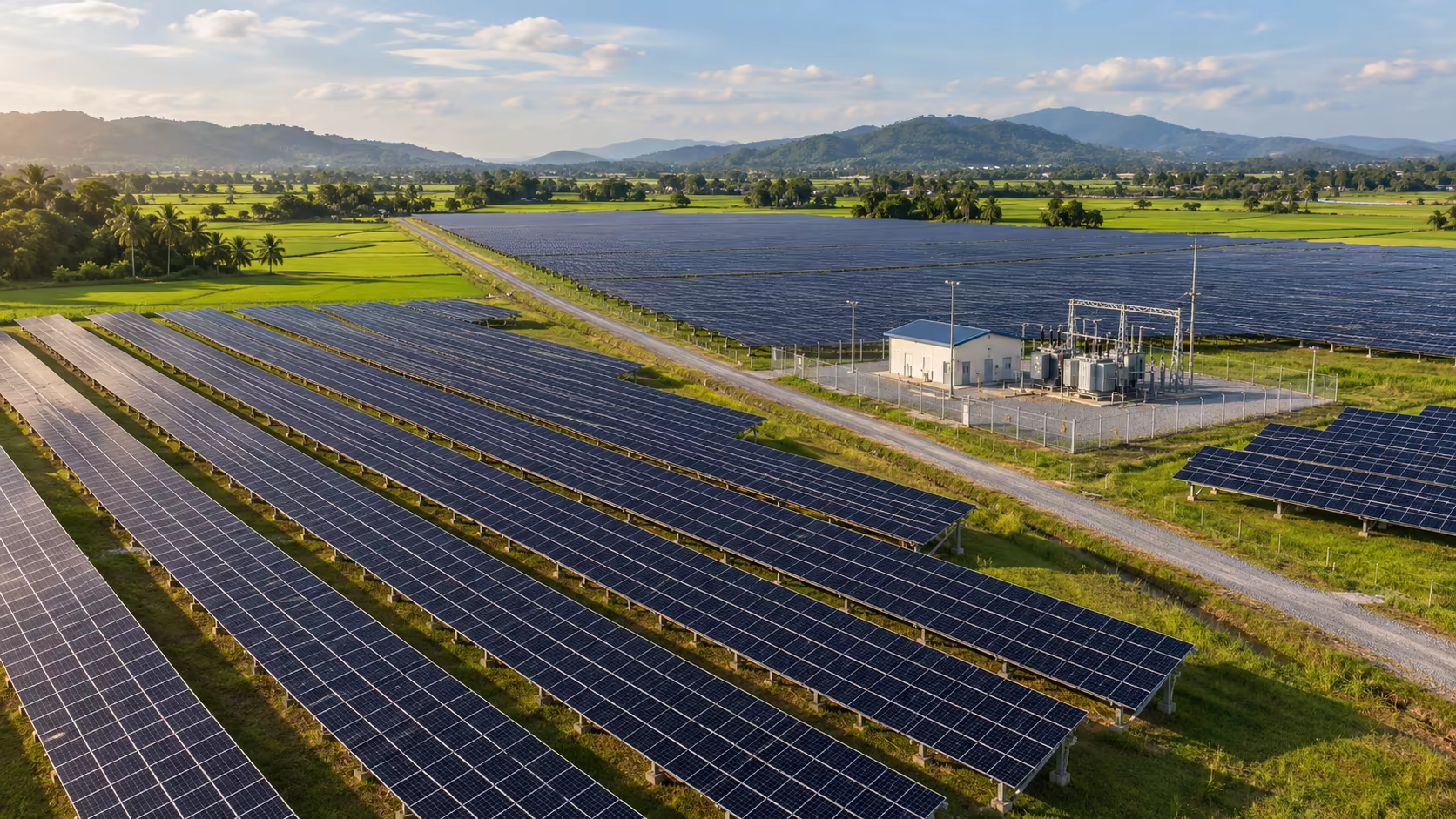
In May 2026, TNB Renewables’ subsidiary TNB Kuala Muda Solar issued a RM1.05 billion ASEAN Green Sustainable and Responsible Investment (SRI) Sukuk Wakalah to finance a 500 MWac large-scale solar PV facility in Kuala Muda, Kedah. The sukuk was structured in 17 tranches and framed under TNB’s Transition Finance Framework, with proceeds covering construction, reimbursement of pre-financial-close expenses, and working capital during the project’s initial operating phase.
The deal matters beyond its size. It demonstrates that Malaysia’s renewable energy pipeline is increasingly financed through Islamic capital markets rather than conventional project debt alone. CIMB Investment Bank and Maybank Investment Bank acted as joint principal advisers and lead managers, anchoring the transaction within Malaysia’s domestic financial architecture.
Malaysia’s Global Position in ESG Sukuk
By July 2026, Malaysia accounted for nearly 32 per cent of global outstanding ESG sukuk. This is not a marginal niche. It reflects a structural advantage: Malaysia has spent decades building a deep, liquid Islamic finance ecosystem, and that ecosystem is now being redirected toward energy transition assets. Green sukuk, SRI sukuk, and transition sukuk are becoming standard instruments for solar, storage, and grid projects.
The investment requirement is enormous. Malaysia’s total estimated energy transition investment need stands at between RM1.2 trillion and RM1.3 trillion through 2050. Public balance sheets cannot carry that alone, and commercial bank lending alone will not fill the gap at the required speed. Islamic capital markets offer a third channel—one that aligns with both domestic institutional demand for Shariah-compliant assets and global ESG mandates.
Why Sukuk Fits Renewable Infrastructure
Project finance and sukuk share a natural affinity. Both rely on ring-fenced cash flows, long tenors, and asset-backed structures. A solar farm with a 21-year power purchase agreement generates predictable revenue streams that can support fixed-income instruments. The asset-backed nature of many sukuk structures also appeals to investors who want tangible underlying assets rather than unsecured corporate credit.
Malakoff’s subsidiary issued a RM450 million SRI Sukuk Murabahah in April 2026 under its RM1.2 billion Islamic Medium-Term Notes programme, with proceeds earmarked for eligible green and transitional projects. The transaction was described as ASEAN’s first SRI Sukuk Murabahah for green and transition projects, signalling that issuers are testing different sukuk structures to match different project profiles.
The Transition Finance Question
The more complicated frontier is transition finance. Not every renewable project is a pure green asset; grid upgrades, storage integration, and efficiency retrofits often sit in a grey zone. TNB’s Transition Finance Framework, issued in September 2024, was designed to address this by defining eligible transition activities and ensuring that proceeds are allocated transparently.
For investors, the framework reduces greenwashing risk. For issuers, it widens the pool of bankable projects. For Malaysia, it positions the country as a testing ground for how Islamic finance can fund a managed, rather than abrupt, energy transition.
What to Watch in the Next Issuance Cycle
The next test is whether green sukuk issuance expands beyond utility-scale solar into distributed generation, battery storage, and grid digitalisation. The LSS6 programme’s 1,250 MW of storage requirements will need financing, and storage assets have different revenue profiles from solar—more merchant exposure, more dispatch optionality, and shorter contract tenors in some cases.
If Malaysian issuers can structure sukuk that accommodate those characteristics, the country will have built something more valuable than a single large solar plant: a repeatable financing model for the entire transition.