
The Fresh Milk Gap: 62% Self-Sufficiency and Climbing
Malaysia’s fresh milk self-sufficiency level (SSL) stood at 62% in 2024, with local producers supplying approximately 43 million litres against national demand of 69 million litres. The shortfall of 26 million litres was covered through imports, according to data from the Department of Veterinary Services (DVS). While this represents a significant improvement from historical levels, the government has set an ambitious target of achieving 100% self-sufficiency by 2030 under the National Dairy Production Strengthening Programme within the 13th Malaysia Plan (2026-2030).
The economic implications of dairy imports are substantial. Feed costs constitute one of the largest components of dairy operating costs, with much of the high-quality feed tied to international markets and subject to global commodity price fluctuations. Developing local feed sources—including high-quality grass, maize silage, and agro-food industry by-products—has therefore emerged as a strategic priority for reducing import dependency and stabilising production costs.
Precision Farming and Genetic Selection for Tropical Climates
Raising milk output in Malaysia’s tropical climate requires cattle that can produce efficiently under conditions of high temperature and humidity. Heat stress is a significant constraint, as high-producing dairy cattle generate considerable metabolic heat, which when combined with environmental heat and humidity, reduces feed intake and adversely affects milk production and reproductive performance.
Addressing this challenge requires a combination of genetic selection suited to tropical conditions, improved housing and cooling systems, and wider adoption of precision farming technologies. The DVS recommends storing fresh milk at 3 to 4 degrees Celsius to control microbial growth, highlighting the importance of cold-chain infrastructure in maintaining product quality and reducing post-harvest losses.
Precision Livestock Farming: Sensors, Data, and Early Detection
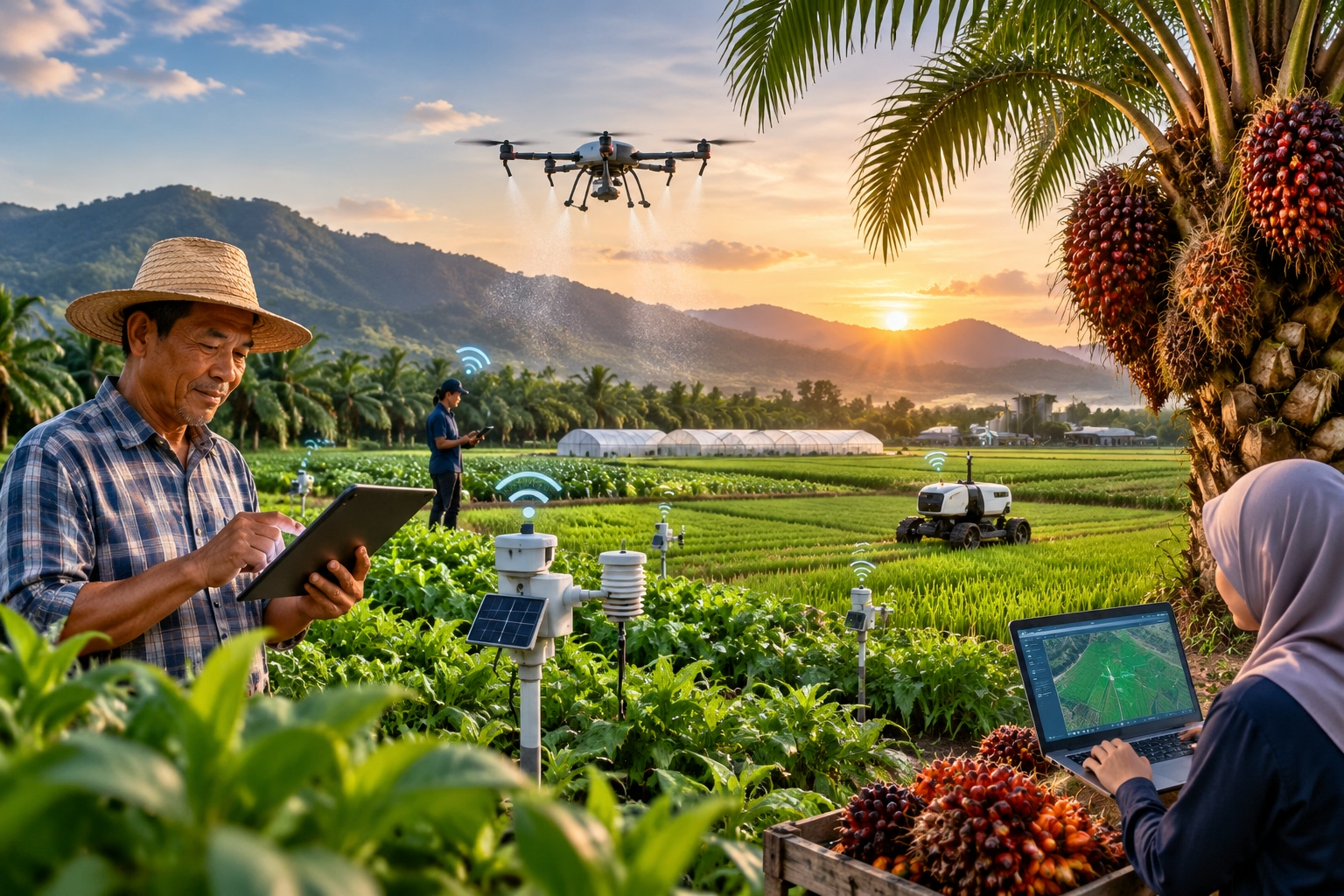
The digital transformation sweeping through Malaysia’s crop sector is increasingly being applied to livestock production. Precision livestock farming technologies—including wearable sensors that monitor animal health and behaviour, automated milking systems, and data analytics platforms that detect early signs of disease—are gaining traction among commercial dairy operations.
A shift from treating disease to early detection and prevention is particularly critical for managing mastitis, reproductive disorders, and metabolic conditions that can significantly impact productivity and profitability. Performance-based incentives tied to higher milk yields, lower somatic cell counts, and improved reproductive efficiency are being explored as mechanisms to accelerate technology adoption and improve herd management practices.
Beyond Dairy: Alternative Proteins and Diversification
The pursuit of protein self-sufficiency extends beyond conventional dairy production. Malaysia’s protein alternatives market, valued at USD 111 million in 2024, is projected to reach USD 166.8 million by 2029. This growth is driven by increasing consumer interest in plant-based meat alternatives, cultivated meat, and innovative protein sources that reduce reliance on imported animal protein.
The Malaysian government is undertaking research to assess the potential of cultivated meat and alternative proteins as sustainable alternatives to conventional crop and livestock production. Local food-tech startups are also emerging, with innovations ranging from jackfruit-based meat alternatives to tempeh-derived products targeting both domestic and export markets.