
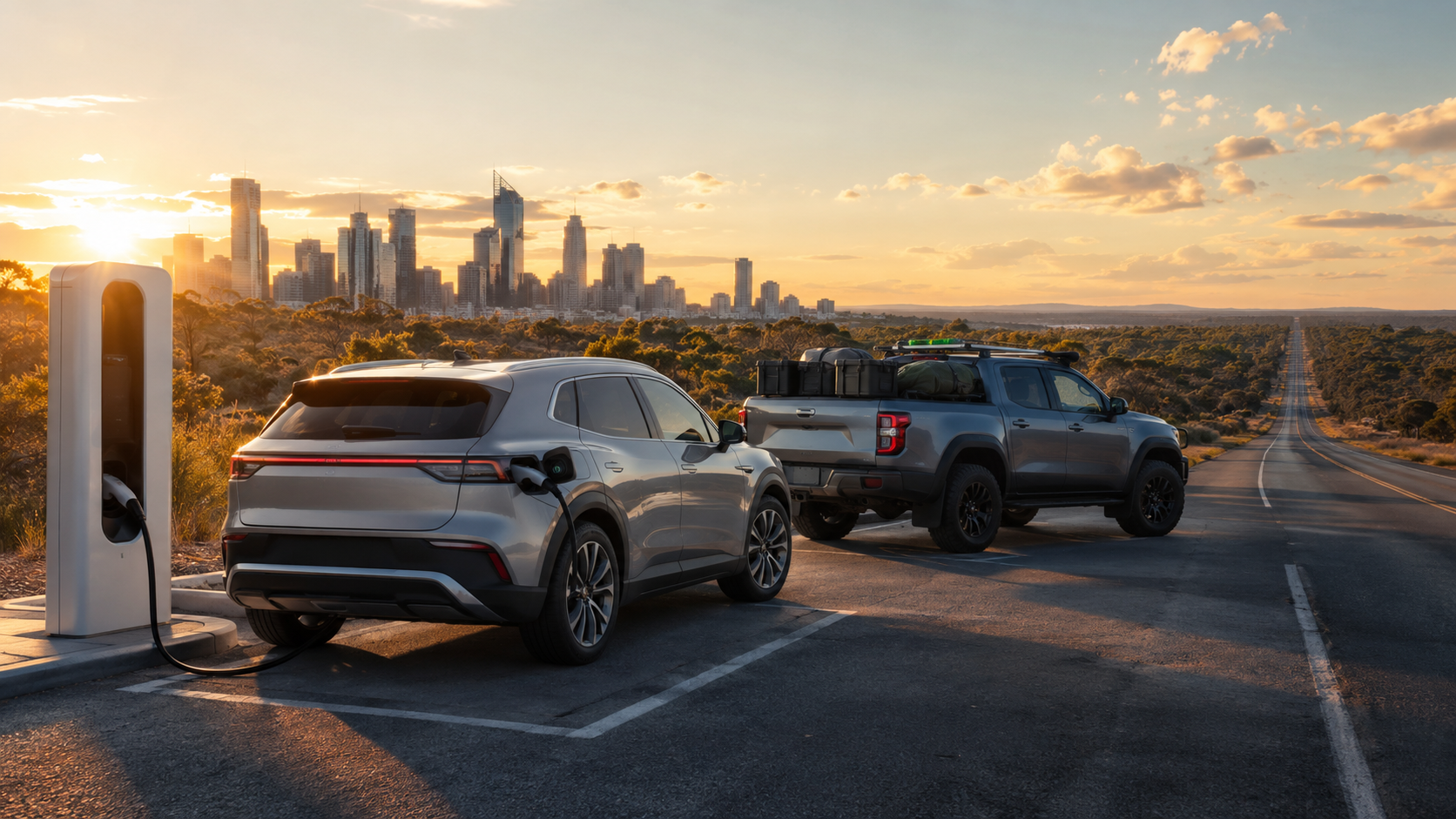
Australia may not be the first country associated with self-driving passenger cars, but it already operates some of the world’s most advanced automated vehicle systems.
The strongest examples are found in the mining sector, where autonomous haul trucks transport material across controlled sites in Western Australia. These operations demonstrate that Australian companies and workers have practical experience managing large robotic vehicle fleets in demanding conditions.
The next challenge is transferring lessons from closed industrial environments to public roads.
Mining Automation Offers a Real-World Testing Ground
Autonomous mining vehicles operate on mapped routes with limited interaction from the public. Control centres can monitor multiple machines, analyse performance data and coordinate vehicle movements.
This environment is very different from a suburban road containing cyclists, pedestrians, school zones and unpredictable human drivers. Nevertheless, mining automation has created expertise in remote operations, sensor systems, communications, maintenance and safety management.
These capabilities could support autonomous freight transport, port operations and specialised vehicles used in remote areas.
Australia’s long freight distances make automation commercially attractive. Driver-assistance technology may reduce fatigue, improve fuel efficiency and increase safety before fully driverless trucks become technically or legally practical.
Public-Road Automation Requires National Rules
Road transport is regulated through a combination of federal, state and territory responsibilities. A vehicle that crosses multiple jurisdictions needs consistent rules covering safety, responsibility, insurance and data access.
The National Transport Commission’s Automated Vehicle Program has been developing a national regulatory framework for automated driving systems.
A central issue is identifying the party legally responsible when an automated system controls the vehicle. Traditional road law assumes that a human driver is accountable. Higher levels of automation may shift some responsibility to the organisation responsible for the automated driving system.
Clear regulation is essential before companies can offer advanced automated services at scale.
Connected Vehicles May Arrive Before Driverless Cars
Fully autonomous passenger vehicles still face technical, legal and public-trust barriers. Connected vehicle technology is likely to deliver practical benefits sooner.
Connected systems allow vehicles to exchange information with traffic lights, roadside infrastructure and other vehicles. A car could receive a warning about roadworks, an approaching emergency vehicle or a hazard hidden around a corner.
Traffic authorities could use real-time vehicle data to improve signal timing and reduce congestion. Freight operators could receive more accurate information about road conditions and delivery routes.
These systems depend on dependable communications networks and common technical standards. They also raise privacy and cybersecurity questions because connected vehicles generate large volumes of location and performance data.
Australian Conditions Create Difficult Technical Tests
Automated systems must recognise road markings, signs, animals, dust, heavy rain and intense sunlight. Technology developed in highly controlled overseas environments may not perform identically on remote Australian roads.
Regional connectivity is another obstacle. Some automated functions can operate without continuous internet access, but fleet monitoring and high-definition map updates may depend on reliable communications.
Australia’s most realistic path is therefore gradual. Advanced driver-assistance systems, connected intersections, automated mining operations and controlled freight trials are likely to expand before unrestricted driverless cars become common.
The country’s advantage lies in treating difficult conditions as a development opportunity. Technology capable of operating safely across Australian mining regions, highways and cities could also be valuable in international markets facing similar transport challenges.