
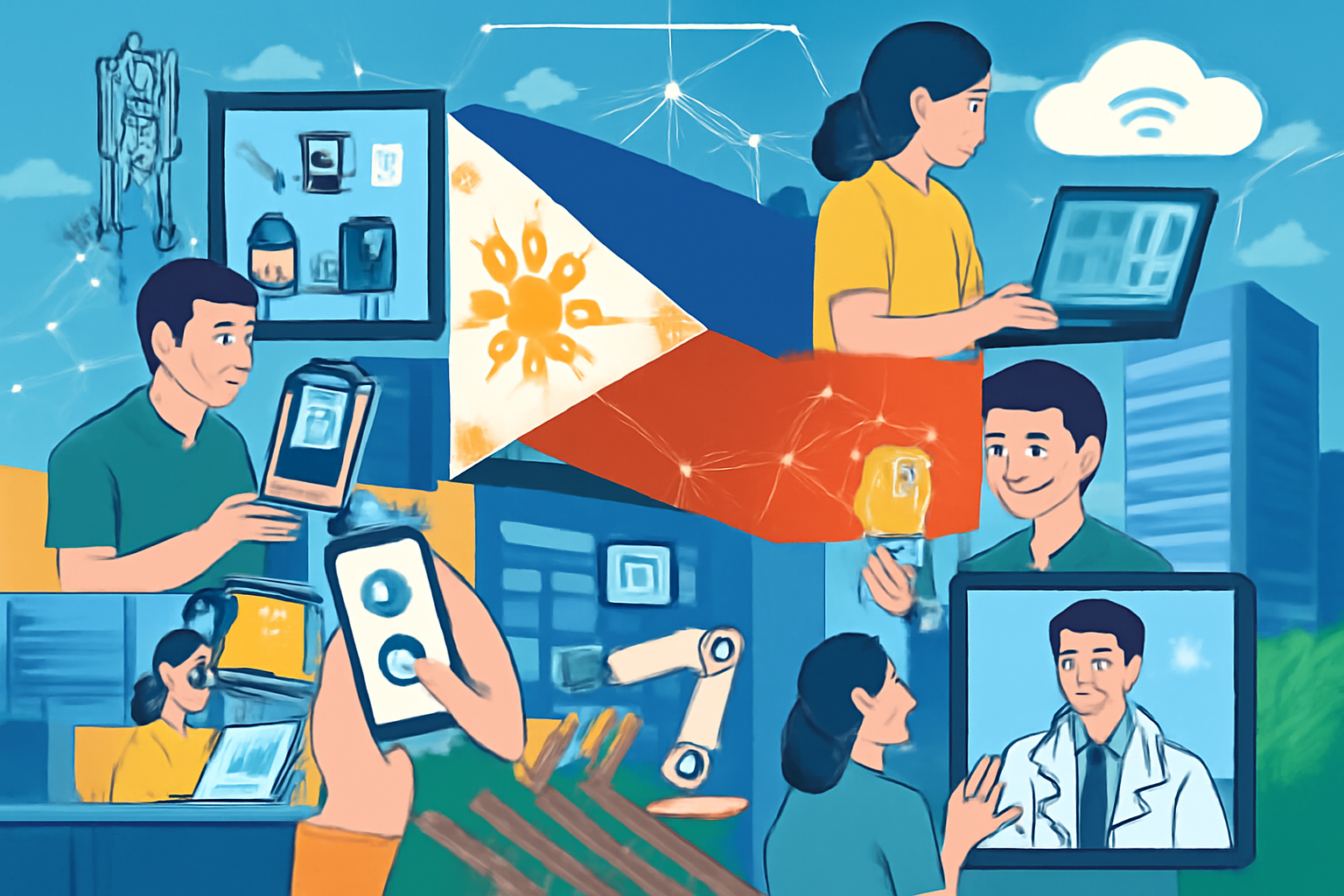
The Philippines is rapidly evolving into a digital-first nation, with technology and innovation playing central roles in this transformation. From government services to consumer behavior, the impact of digital technologies is reshaping the landscape of the country’s economy, society, and daily life. Through a combination of public policy, private sector initiatives, and technological advancements, the Philippines is paving the way for digital growth that promises a brighter future for all Filipinos.
At the heart of this digital transformation is the government’s commitment to improving digital infrastructure. Through programs like the National Broadband Plan and the Free Wi-Fi Program, the government is working to ensure that all Filipinos have access to reliable internet, regardless of their location. With better internet connectivity, more individuals and businesses can access essential digital services, engage in e-commerce, and participate in the global digital economy.
The education sector has been one of the most significantly impacted by this digital shift. The COVID-19 pandemic forced schools and universities to adopt remote learning methods, accelerating the integration of technology into education. The Department of Education and the Commission on Higher Education have worked to ensure that students and teachers can continue learning and teaching digitally. Digital learning platforms have become indispensable tools for education, offering a wealth of online resources, interactive lessons, and remote collaborations.
Healthcare in the Philippines has also benefited from digital innovations. Telemedicine services have gained popularity as a way for Filipinos to access healthcare remotely, reducing the need to visit clinics in person. Digital health platforms have also been introduced to improve patient care, including tools for booking appointments, receiving prescriptions, and monitoring health metrics. These innovations are particularly valuable in rural areas where healthcare facilities are limited.
The rise of e-commerce in the Philippines is another testament to the power of digital technologies. Online shopping has become the preferred method for many Filipinos, with platforms like Lazada, Shopee, and Zalora offering a vast selection of goods. Additionally, digital payment systems such as GCash and PayMaya are transforming the way consumers make purchases, making transactions faster, safer, and more convenient.
The fintech sector in the Philippines is booming as well, with companies developing digital solutions to provide financial services to the unbanked population. These solutions allow Filipinos to access banking, invest in digital currencies, and manage their finances online, without needing a physical bank account.
Despite these advancements, the Philippines must address certain challenges to ensure a smooth and inclusive digital transition. Digital literacy, cybersecurity, and infrastructure disparities between urban and rural areas remain significant concerns. However, with continued collaboration between the government, private sector, and other stakeholders, the Philippines can overcome these challenges and unlock its full digital potential.
As technology and innovation continue to evolve, the Philippines has the opportunity to lead the way in digital transformation in Southeast Asia. The ongoing efforts to build a digitally inclusive society will drive long-term economic growth and social progress, benefiting both businesses and ordinary citizens alike.