
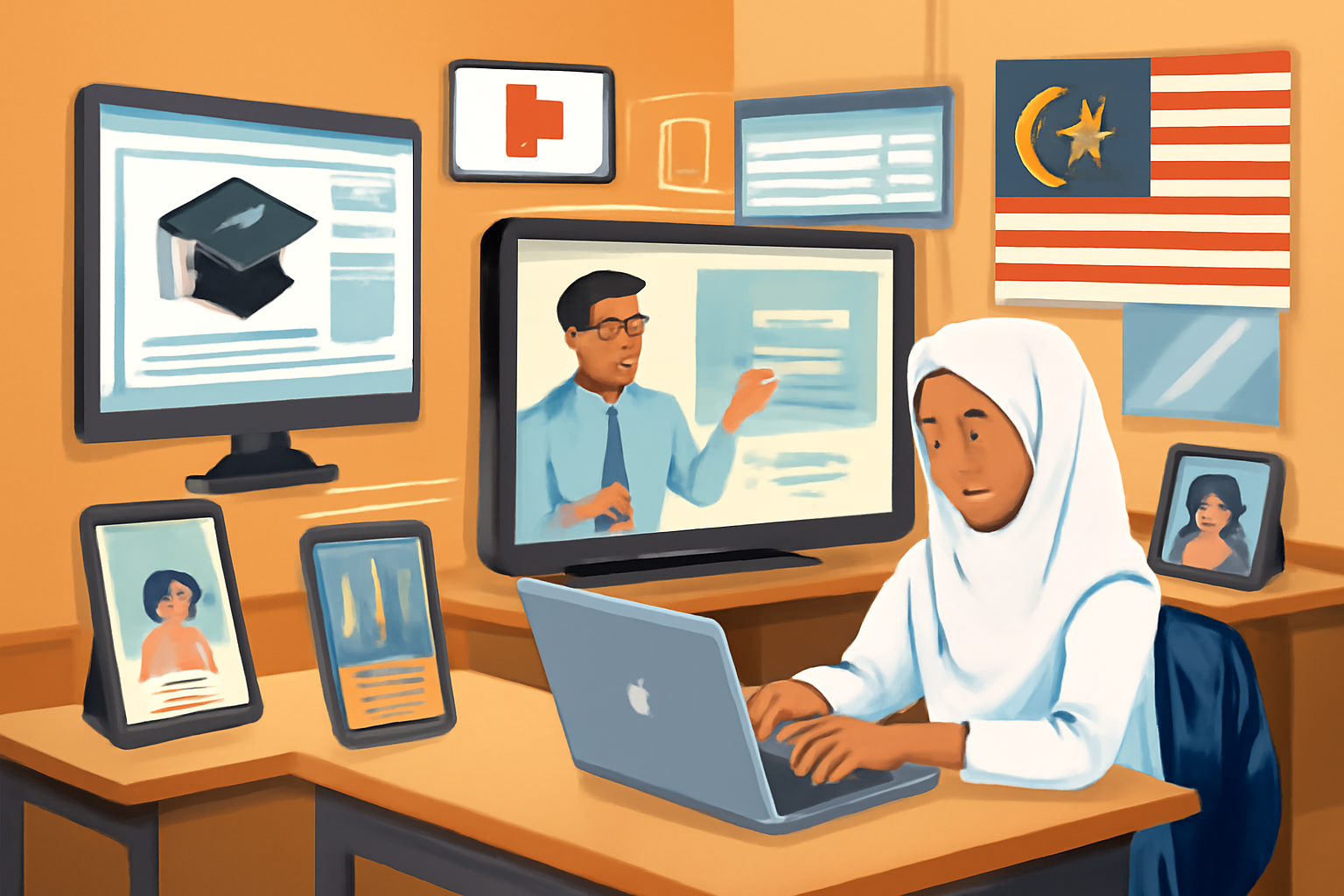
Technology has become a driving force in reshaping the way education is delivered in Malaysia. With the rapid advancement of digital tools, Malaysia has embarked on a journey to modernize its educational system, integrating technology into classrooms to enhance both teaching and learning experiences. This article explores the influence of technological advancements on education in Malaysia, highlighting the benefits, challenges, and future possibilities of a technology-driven education system.
In recent years, technology has revolutionized the Malaysian education system. The shift from traditional classroom-based learning to a more digital-centric approach has been supported by various government initiatives, including the 1BestariNet project, which aims to provide schools with internet access and digital tools. This initiative has been crucial in ensuring that students across the country have equal opportunities to benefit from digital learning, regardless of their geographic location.
The use of e-learning platforms has become a cornerstone of modern education in Malaysia. With the introduction of platforms like Google Classroom, teachers can deliver lessons, assign tasks, and provide feedback to students in real-time, regardless of physical location. This has been especially important during the COVID-19 pandemic, where schools had to switch to online learning to ensure continuity in education. Online platforms have not only enabled students to attend classes remotely but have also provided them with access to a wide array of learning resources, making education more flexible and accessible than ever before.
In addition to providing access to lessons, technology has made learning more interactive and engaging. Digital tools such as interactive whiteboards, multimedia content, and educational games have made it possible to present lessons in a more dynamic way. For example, virtual simulations allow students to explore scientific concepts and conduct experiments without the limitations of a physical lab. These tools make learning more engaging and help students better understand complex subjects.
Moreover, technology has played a crucial role in promoting personalized learning. Adaptive learning platforms are increasingly being used to cater to the individual needs of students, providing them with personalized content based on their performance. This personalized approach helps students learn at their own pace, ensuring that they receive the support they need to succeed. Such platforms also allow teachers to monitor student progress in real time, making it easier to identify areas where students may need additional assistance.
Technology has also opened new avenues for collaboration among students. Cloud-based tools such as Google Docs and Microsoft OneDrive enable students to work together on projects, share resources, and communicate with each other more efficiently. These collaborative platforms foster teamwork and help students develop important skills that will serve them well in their future careers.
Despite these advancements, challenges remain in the integration of technology into education in Malaysia. One of the key issues is the digital divide, which affects students in rural and underserved areas who may not have access to reliable internet or digital devices. The government has made strides in addressing these issues, such as providing affordable devices and expanding internet connectivity, but more work is needed to ensure that all students can benefit from the technological innovations in education.
The future of education in Malaysia looks promising, with continued investment in digital tools and resources. As technology continues to evolve, it will offer even more opportunities for innovation in education. By embracing these advancements, Malaysia is well-positioned to create an education system that prepares students for success in an increasingly digital world.