
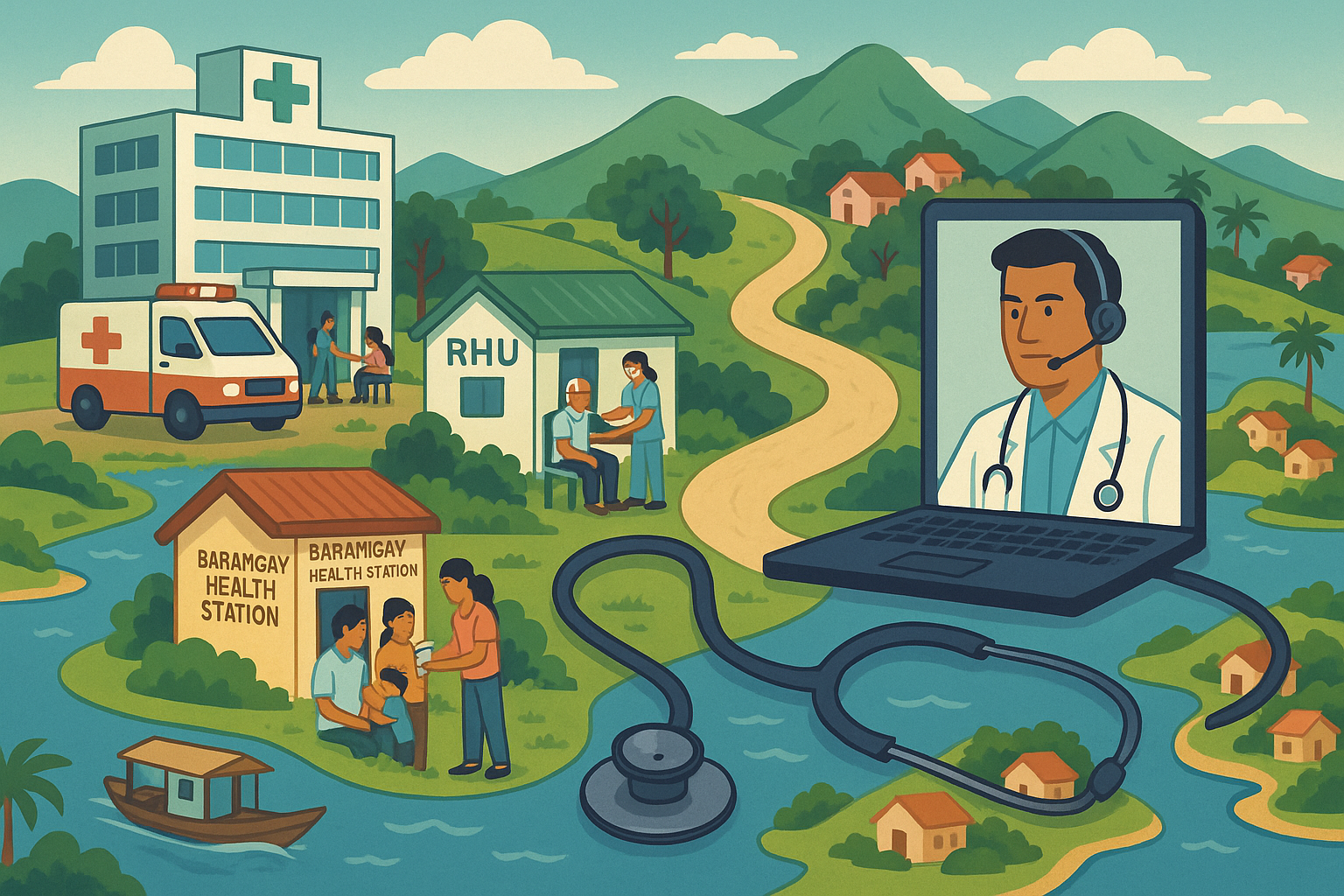
The future of healthcare in the Philippines will be decided by how well the country executes three interlocking strategies: primary care first, digital-by-default systems, and resilience against shocks.
Primary care must become the habitual entry point for most health needs. That means multidisciplinary teams—physicians, nurses, midwives, nutritionists, pharmacists, and barangay health workers—serving defined populations with continuous care plans. Clinics should provide routine screening for hypertension, diabetes, and cancers; point-of-care tests; and counseling on diet, activity, and mental well-being. When patients trust their local team to solve most problems, specialist queues shrink and emergencies decline.
Financing should reward continuity and prevention. Blended capitation for primary care—adjusted for age, disease burden, and remoteness—encourages teams to keep their panels healthy. PhilHealth hospital payments can be paired with readmission penalties and quality bonuses to discourage unnecessary stays and prioritize evidence-based care. Transparent benefit packages, communicated in plain language, help households anticipate coverage and avoid surprise bills.
Digital infrastructure can bridge distances. A unique patient identifier, interoperable electronic health records, and e-prescriptions reduce duplication and errors. Telemedicine extends specialist guidance to island clinics, while remote monitoring supports chronic disease control. Claims automation shortens payment cycles, improving provider liquidity. Data dashboards—publicly accessible—should track availability of medicines, waiting times, and core outcomes, enabling managers and citizens to spot problems early.
Medicine access needs a systems approach: pooled procurement to lower prices, last-mile logistics to prevent stockouts, and pharmacovigilance to ensure quality. For chronic conditions, synchronized refills and medication therapy management cut costs and improve adherence. Aligning the national formulary with clinical guidelines ensures that what is recommended is actually on shelves.
Workforce policies must shift from ad hoc hiring to long-term planning. Training slots should match projected needs by specialty and geography. Incentives for rural service—housing, education benefits for dependents, and rotation schemes—can make remote postings attractive. Skills ladders and protected time for continuing education keep teams current and motivated.
Resilience is non-negotiable in a country exposed to typhoons and earthquakes. Clinics should be built or retrofitted to withstand hazards, with backup power, water, and communications. Stockpiles of essential medicines and mobile surge teams ensure continuity during disruptions. Clear referral protocols and transport agreements reduce chaos when roads are impassable.
Community partnership is the final ingredient. Health literacy campaigns, feedback mechanisms, and citizen participation in local health boards align services with real needs. Schools, faith groups, and local media can amplify prevention messages and counter misinformation.
The Philippines has the legal framework and a track record of innovation—from sin tax-funded health expansions to rapid telehealth uptake. The path forward turns these building blocks into everyday reliability: a nearby clinic that solves most problems, a hospital that’s ready for the hardest ones, and a financing system that protects families rather than testing their luck.