
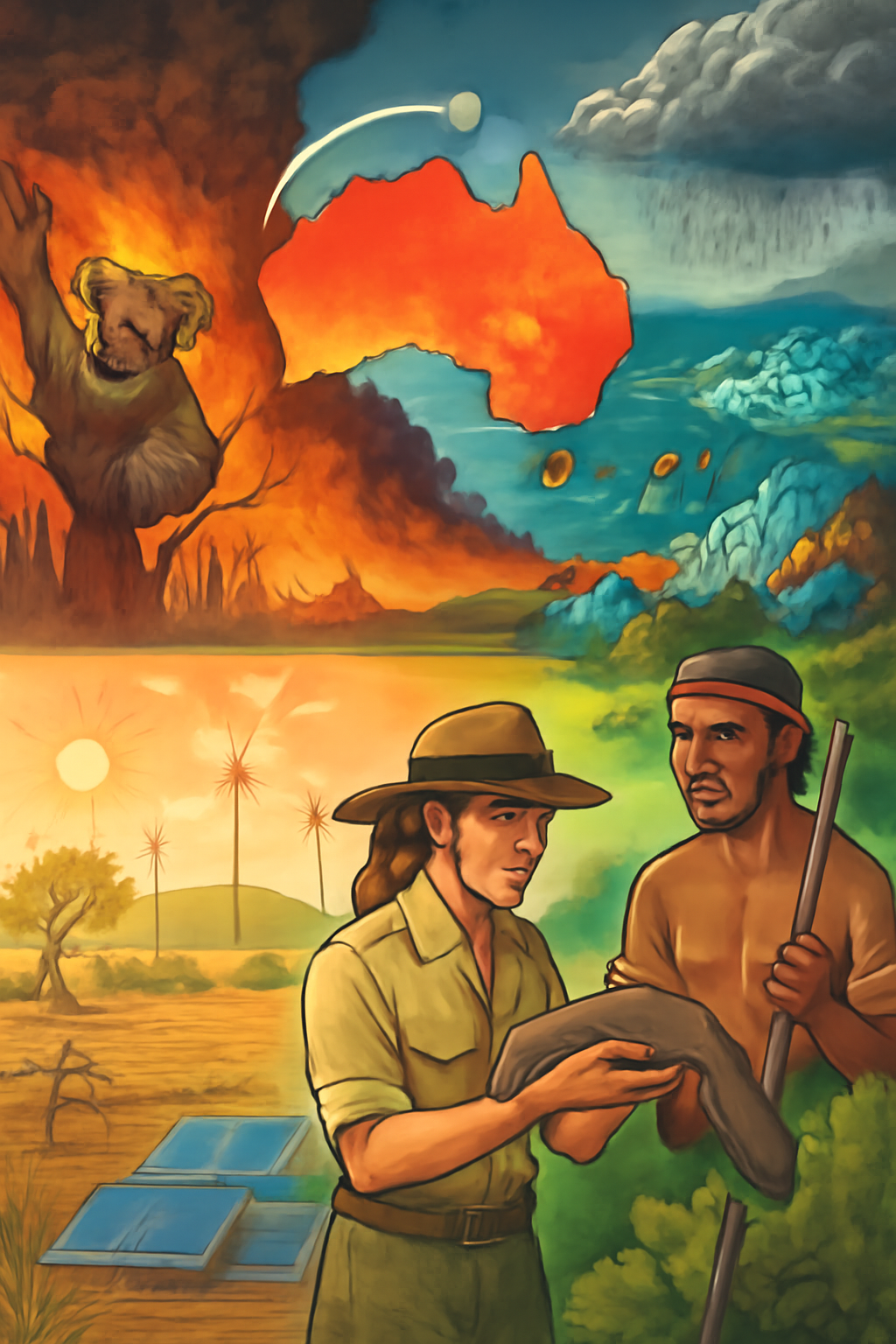
Australia is facing a growing environmental crisis as the effects of climate change intensify. The country’s diverse ecosystems and landscapes, from its iconic bushlands to its pristine coral reefs, are increasingly under threat from the consequences of rising global temperatures. The impacts of climate change are being felt across the nation, with more frequent and intense natural disasters, prolonged droughts, and significant changes to the country’s flora and fauna. The need for comprehensive conservation efforts has never been more urgent.
One of the most significant manifestations of climate change in Australia is the rise in the frequency and severity of bushfires. These fires, which have long been a feature of the Australian landscape, have become more catastrophic in recent years. The 2019-2020 bushfire season, which burned vast expanses of land and destroyed thousands of homes, highlighted the vulnerability of communities and ecosystems to the effects of climate change. As temperatures rise and drought conditions persist, these fires are expected to become more frequent and intense.
Droughts, another key consequence of climate change, have also become more widespread in Australia. Many regions are experiencing reduced rainfall, leading to water shortages that impact agriculture, drinking water supplies, and the overall economy. Australia’s agricultural sector, which is crucial to the nation’s economy, is particularly vulnerable to the impacts of climate change, as reduced water availability and increased soil salinity make farming more difficult. The economic consequences of drought are felt not only in rural areas but also across the country as a whole.
Australia’s Great Barrier Reef, one of the most biodiverse ecosystems on the planet, is also being threatened by climate change. Rising ocean temperatures have caused coral bleaching, which weakens the reef and threatens marine life. The decline of the reef has serious implications for the fishing and tourism industries, which rely on the reef as a vital resource.
To combat these challenges, Australia is working to reduce its carbon emissions and shift towards more sustainable energy practices. The government has made commitments to the Paris Agreement, aiming to limit global temperature rise and reduce emissions. Additionally, the country is investing in renewable energy technologies such as solar and wind power, which are seen as key solutions to reducing reliance on fossil fuels.
Efforts to conserve Australia’s biodiversity are also a priority. National parks and protected areas have been established to safeguard endangered species, and there are numerous initiatives focused on restoring habitats that have been damaged by human activities. These efforts aim to preserve the unique species of Australia, including the koala, the kangaroo, and the platypus.
Indigenous land management practices are increasingly being recognized for their role in effective conservation. Traditional fire management techniques, which have been used by Indigenous Australians for thousands of years, are now being incorporated into modern strategies to reduce the severity of bushfires and promote ecosystem health. This approach underscores the importance of integrating Indigenous knowledge into contemporary conservation efforts.
Australia’s approach to climate change and conservation also includes economic strategies to reduce emissions and promote sustainable practices in agriculture, forestry, and other industries. By providing incentives for businesses to adopt eco-friendly practices, the country is working towards a more sustainable future. With continued efforts from all sectors of society, Australia can hope to mitigate the effects of climate change and protect its environmental heritage for generations to come.