
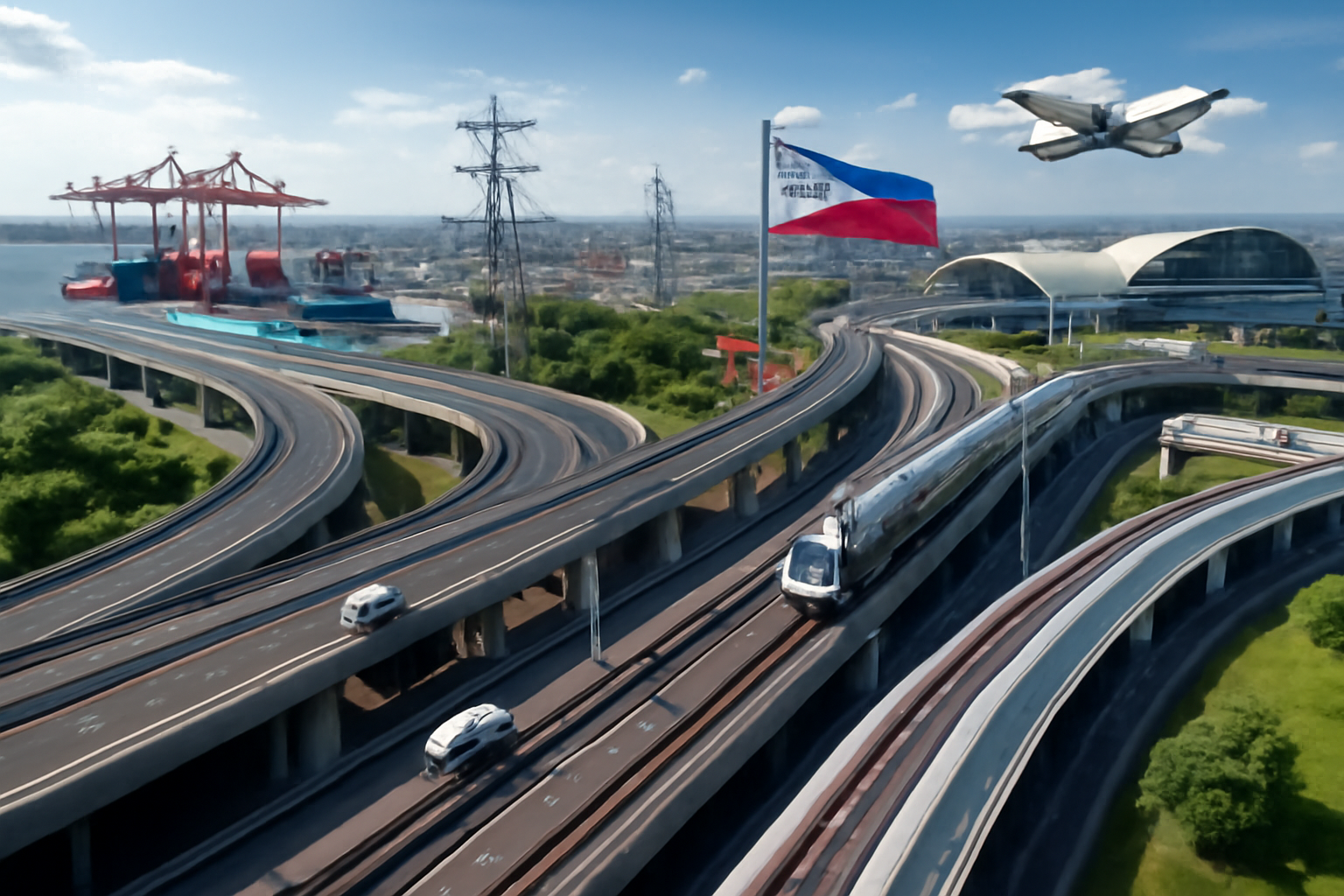
The Philippines, an archipelagic country made up of over 7,000 islands, faces significant challenges when it comes to creating a seamless transportation network. However, the government has recognized these obstacles and initiated several large-scale infrastructure projects aimed at enhancing the nation’s connectivity and mobility. These initiatives are essential not only for economic growth but also for improving the daily lives of Filipinos.
One of the most ambitious infrastructure programs is the Build, Build, Build initiative, which focuses on improving the country’s road, rail, airport, and seaport systems. The road network is a key priority, as traffic congestion in urban centers, particularly in Metro Manila, has long been a hindrance to productivity. To tackle this, the government has constructed and expanded major highways, expressways, and bridges, including the Skyway Stage 3 project, which links the north and south of Metro Manila, significantly reducing travel time.
In addition to roads, the expansion of airports is vital to ensuring the country’s connectivity. Major airports such as Ninoy Aquino International Airport (NAIA) and Mactan-Cebu International Airport have undergone major renovations to improve passenger experience and increase capacity. Other airports across the country are also being upgraded, which helps boost domestic tourism and regional connectivity.
The development of seaport infrastructure is another key aspect of the Philippines’ growth strategy. Seaports such as the Port of Batangas, Davao, and Cebu are undergoing expansion projects to accommodate larger ships and increase trade capacity. With the Philippines being a major trading hub in Southeast Asia, improving its seaport infrastructure is critical to supporting the country’s economic activities, particularly in export industries like agriculture and manufacturing.
Rail transportation is also receiving significant investment, especially in Metro Manila, where traffic congestion is a major issue. The Metro Manila Subway, which is currently under construction, will provide commuters with a more efficient alternative to road transport, reducing travel times and promoting environmental sustainability. In addition, the North-South Commuter Railway project will link Metro Manila with neighboring provinces, offering an effective solution for millions of Filipinos who face long and costly commutes.
Alongside these improvements in transportation infrastructure, the Philippines is also investing in energy and digital infrastructure. Upgrading the power grid ensures that transportation systems operate smoothly, while improving internet connectivity helps ensure that all Filipinos, even in rural areas, can access essential services and information.
Though significant progress has been made, challenges remain. Traffic congestion persists in major urban centers, and natural disasters continue to disrupt infrastructure development. However, the government is increasingly focusing on making infrastructure projects more resilient, ensuring that future developments can withstand the impacts of climate change and natural calamities.
The Philippines’ infrastructure advancements are already transforming the country’s mobility and connectivity. These projects will not only make travel easier but will also stimulate economic growth, promote social equity, and ultimately improve the standard of living for Filipinos across the nation. By continuing to invest in infrastructure, the Philippines is on track to become a more integrated, efficient, and competitive nation.