
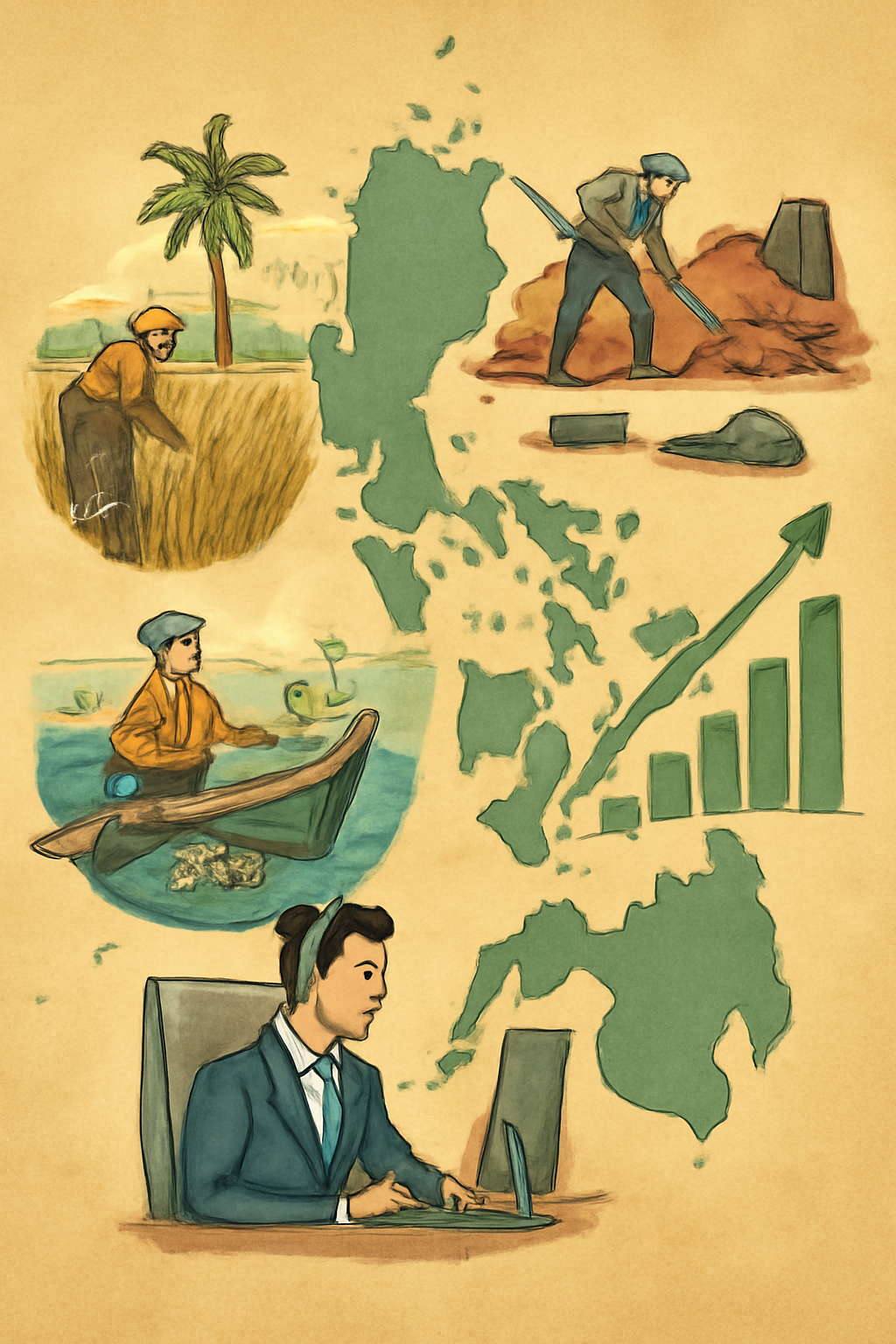
The Philippines is a country blessed with an abundance of natural resources that have contributed to its economic growth. From minerals and agriculture to its rich maritime and forest resources, the country has capitalized on its natural wealth to stimulate economic development. However, ensuring that growth is sustainable and benefits all segments of society remains a major challenge.
Mineral resources are one of the key pillars of the Philippine economy. The country boasts significant deposits of gold, copper, nickel, and other minerals, making mining a critical industry. The Philippines is one of the largest exporters of nickel, with global demand for the metal on the rise, especially in industries such as electronics and electric vehicles. However, mining operations often face environmental concerns, including deforestation, water pollution, and habitat destruction. To address these challenges, the government has implemented regulations aimed at minimizing the environmental impact of mining, but enforcement remains a critical issue.
The agricultural sector is another significant contributor to the Philippines’ economy. The country is a leading producer of coconut products, including coconut oil, which is exported worldwide. In addition, rice, sugar, and tropical fruits like bananas are grown in the country. Despite the importance of agriculture, the sector faces many challenges, including climate change, which has led to more frequent and intense weather events, such as typhoons and droughts. The government has focused on improving agricultural productivity through modernization and the adoption of climate-resilient practices.
The Philippines’ vast fishing grounds are another important resource. The country is surrounded by some of the richest fishing areas in the world, providing both domestic food sources and export revenue. However, overfishing and environmental degradation are serious concerns, and the government has implemented measures to protect marine resources and ensure the sustainability of the fishing industry.
Forests and timber resources also contribute to the Philippine economy, although illegal logging and deforestation have created challenges. The government has focused on reforestation efforts to address the depletion of forest resources and protect biodiversity.
While natural resources have played a major role in the country’s economic growth, the Philippine government is increasingly focused on ensuring that growth is sustainable and inclusive. This includes addressing environmental concerns and ensuring that the benefits of economic development are more equitably distributed across the population. By balancing economic growth with environmental protection, the Philippines can continue to develop its resources while safeguarding its future.