
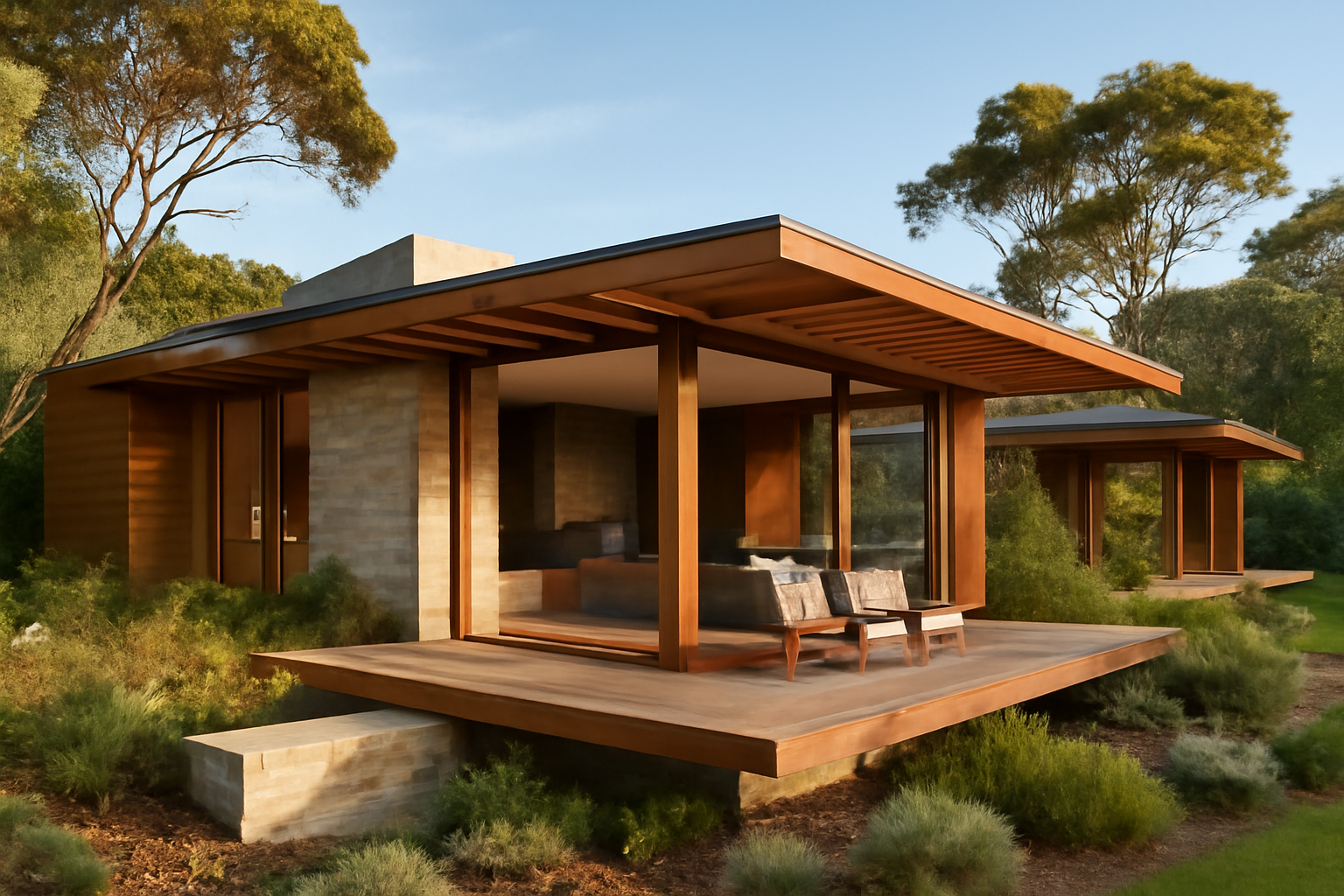
Australian architecture has evolved into a stunning combination of contemporary design and natural harmony. The country’s architects have embraced an approach that seamlessly integrates the beauty of the environment with modern design principles. Whether through the use of sustainable materials, energy-efficient systems, or the incorporation of outdoor living spaces, Australian architecture has become a model of how buildings can work in harmony with nature.
One of the defining characteristics of modern Australian design is its emphasis on using natural materials. Wood, stone, and glass are common materials used in construction, chosen for their aesthetic appeal and environmental sustainability. These materials not only provide visual warmth and texture but also help buildings to blend into their natural surroundings. Large windows and open spaces are essential in Australian homes, providing residents with expansive views of the outdoors and allowing natural light to fill interiors.
The practice of passive design is fundamental to many Australian buildings. Passive design strategies involve the use of building orientation, thermal mass, and ventilation to create comfortable living conditions without relying on mechanical heating or cooling systems. This approach significantly reduces energy consumption and promotes a more sustainable way of living. By designing buildings that naturally maintain comfortable temperatures, architects are contributing to the reduction of carbon footprints.
Australian homes also prioritize sustainability. Many homes feature solar panels, rainwater harvesting systems, and energy-efficient appliances to reduce their environmental impact. These systems help homeowners conserve resources, save money, and reduce their reliance on the grid. In cities like Sydney, Melbourne, and Brisbane, sustainable architecture has become a hallmark of new developments, reflecting a growing commitment to protecting the environment.
Outdoor living is central to Australian architecture. The country’s favorable climate and outdoor lifestyle have shaped the design of homes, with many featuring expansive decks, courtyards, and gardens. These outdoor spaces serve as extensions of the interior, encouraging residents to connect with nature and enjoy the outdoors. Whether for relaxation or entertaining, these spaces make the most of Australia’s natural beauty and provide a comfortable, sustainable environment for living.
The influence of indigenous Australian culture is also a significant aspect of modern design. Aboriginal art and cultural traditions often inspire architects, who incorporate symbols, patterns, and natural elements into their work. This connection to the land and its history adds depth and meaning to the design, fostering a sense of cultural continuity and respect for the environment.
Coastal architecture in Australia is a notable example of how modern design can coexist with nature. Homes near the coast often feature open, airy designs that take advantage of stunning views and natural ventilation. These homes are designed to withstand the challenges of coastal living, including salt exposure and strong winds, while maintaining a low environmental impact.
Innovation continues to drive Australian architecture. Architects are constantly experimenting with new materials, design techniques, and technologies to create structures that are not only functional but also visually striking. From cutting-edge urban developments to remote rural retreats, Australian architecture reflects a commitment to sustainability, creativity, and a profound respect for nature.
Through a careful blend of modern design, sustainability, and a deep connection to the natural world, Australian architects have created a built environment that is as beautiful as it is functional. The integration of natural materials, energy-efficient systems, and outdoor spaces has redefined the way buildings interact with their surroundings, setting a global example for sustainable living.