
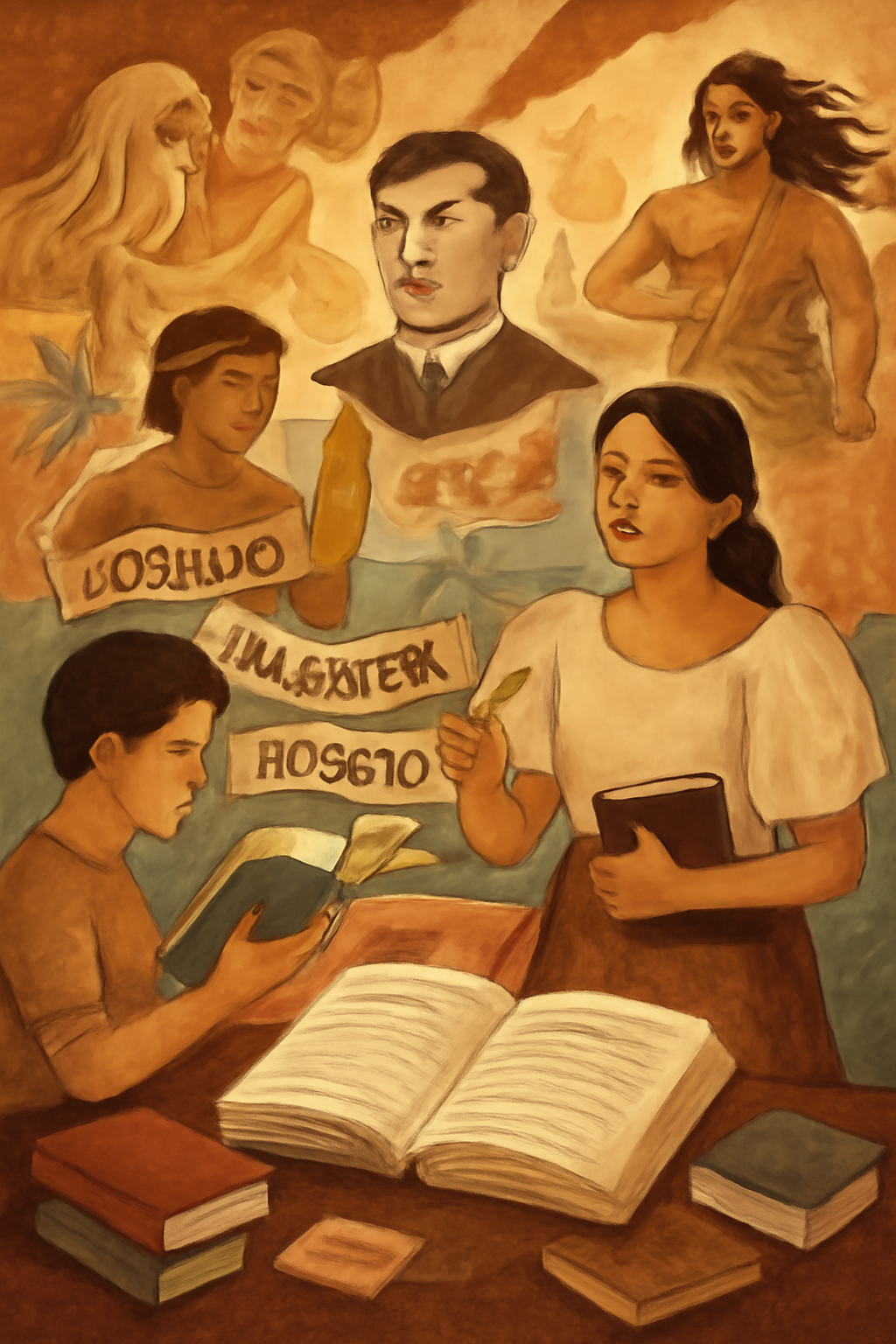
Philippine literature is an intricate reflection of the country’s complex history and diverse culture. The evolution of language and literature has played a significant role in shaping the national identity of the Philippines. From oral traditions passed down through generations to the contemporary voices of today’s writers, literature has helped preserve the unique experiences, struggles, and triumphs of the Filipino people.
The Philippines is home to more than 170 languages, and this linguistic diversity has deeply influenced its literary traditions. Filipino, which is based on Tagalog, serves as the national language, aiming to unite the various linguistic groups across the islands. Although Filipino functions as a common language for communication, many regions continue to produce literature in their respective languages, which adds richness and variety to the literary landscape.
In pre-colonial times, Filipino literature was primarily oral. Stories, epics, proverbs, and chants were passed from one generation to the next, preserving the cultural knowledge and traditions of the indigenous peoples. These narratives were crucial in forming communal bonds and passing on collective wisdom. Some of the most notable examples of this oral tradition are the Biag ni Lam-ang from the Ilocano people and the Hinilawod from the Visayans. These stories were deeply connected to the lives and worldviews of the people, reflecting their values, struggles, and heroism.
With the arrival of Spanish colonizers in the 16th century, Filipino literature began to change. Spanish became the language of colonial governance, education, and religion, which influenced the development of literature in the country. Filipino writers started to produce works in Spanish, and the religious and literary themes of these works often centered around Catholicism, with writers such as Francisco Balagtas contributing significantly to this body of literature.
However, it was José Rizal, whose novels Noli Me Tangere and El Filibusterismo provided a scathing critique of Spanish colonial rule, who left the most significant mark on Philippine literature during this period. His works not only inspired the revolution against Spanish oppression but also established him as a central figure in the formation of Filipino national consciousness.
The American colonial period ushered in English as the new language of governance and education. This shift opened new doors for Filipino writers, many of whom embraced English as a medium for creative expression. Authors like Nick Joaquin, F. Sionil José, and Carlos Bulosan explored the intersection of Filipino identity and Western influences, examining the complexities of being Filipino in a rapidly changing world.
Philippine literature blossomed further in the post-colonial era. During the martial law period under Ferdinand Marcos, literature became a vehicle for political resistance. Writers used their works to critique the authoritarian government and fight for democracy and human rights. This era saw the emergence of important writers who used literature to challenge power structures and reflect the hopes and struggles of the Filipino people.
Today, Philippine literature is as vibrant as ever. Contemporary writers such as Lourd de Veyra, Carlos Cortes, and Gina Apostol continue to explore themes of identity, social justice, and globalization, while also delving into the personal and emotional experiences that shape the Filipino story. These writers draw upon both Filipino and English, creating works that resonate with a wide audience.
In summary, the language and literature of the Philippines are fundamental in understanding the nation’s identity. They offer a window into the past, reflecting the trials and triumphs that have shaped the Filipino experience. Through literature, the Philippines continues to tell its story, showcasing the diversity, resilience, and creative spirit of its people.