
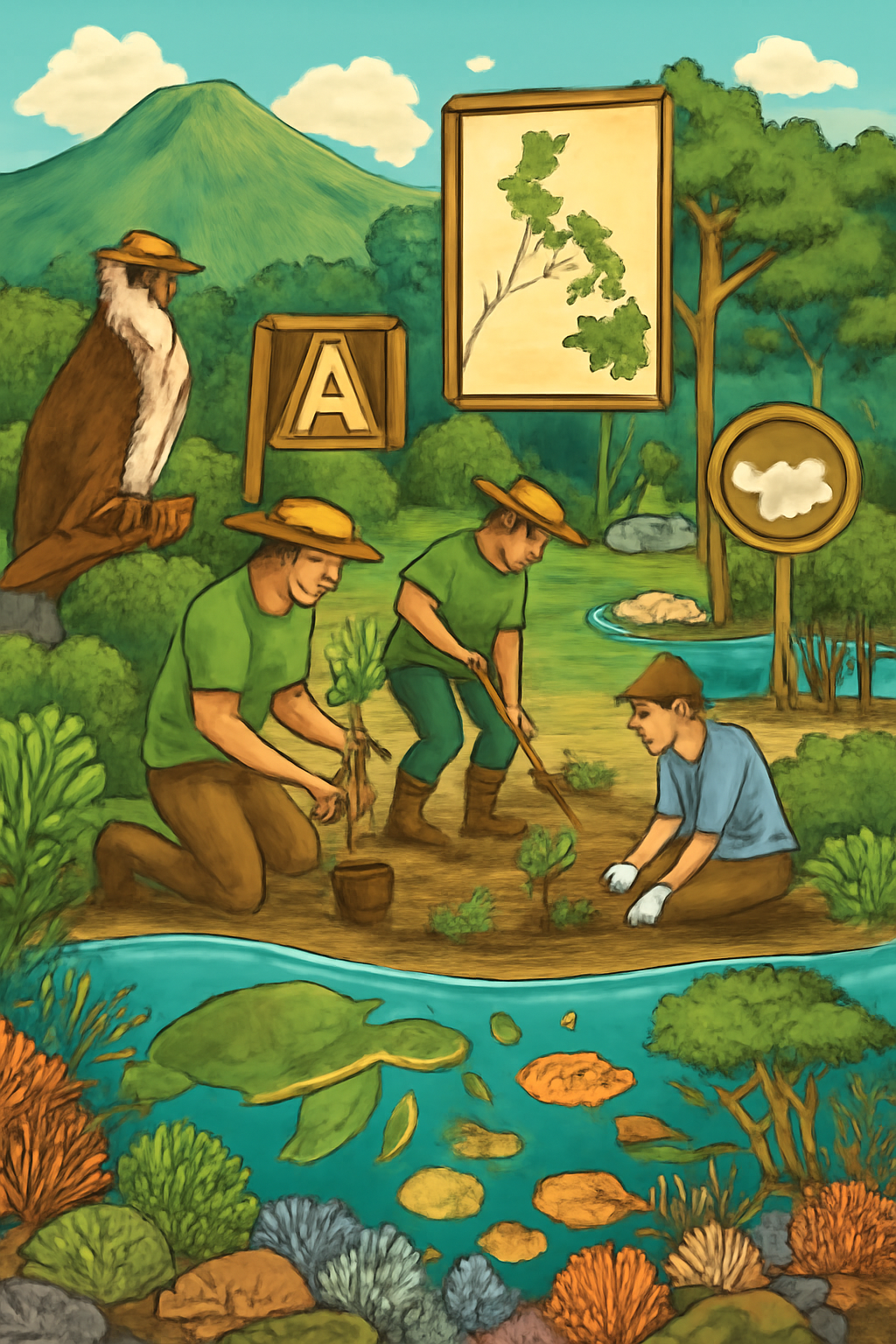
The Philippines is home to a vast array of ecosystems, from lush tropical forests to expansive coral reefs, making it one of the most biologically diverse countries in the world. However, this natural wealth is increasingly under threat due to human activities such as illegal logging, overfishing, and pollution. To address these concerns, the government and various organizations are working together to ensure that the country’s natural resources are protected for future generations.
The government’s response to environmental degradation has included the creation of the National Integrated Protected Areas System (NIPAS) Law, which establishes protected areas across the nation. These areas are home to numerous species, some of which are endemic to the Philippines. The creation of these protected zones has played a key role in preserving biodiversity and providing safe havens for endangered species.
In addition to terrestrial conservation, the Philippines has taken steps to protect its marine environments. The Coral Triangle, which encompasses the waters surrounding the Philippines, is one of the world’s most biodiverse marine areas. To safeguard this treasure, the country has established marine protected areas (MPAs) to protect coral reefs, seagrass beds, and mangrove forests from destructive practices such as dynamite fishing and trawling.
Reforestation is another crucial element of the Philippines’ conservation strategy. The National Greening Program (NGP) has been instrumental in reforesting degraded lands and restoring ecosystems. This program involves planting millions of trees, particularly in areas that have been heavily deforested due to logging and land conversion.
Despite these efforts, challenges remain. Illegal activities such as poaching and destructive fishing practices continue to threaten the environment. However, through education, enforcement of environmental laws, and the active involvement of local communities, the Philippines is making progress in its conservation goals.
By continuing to work together with international and local partners, the Philippines aims to create a sustainable future for its unique ecosystems, ensuring that future generations will benefit from the nation’s rich natural heritage.