
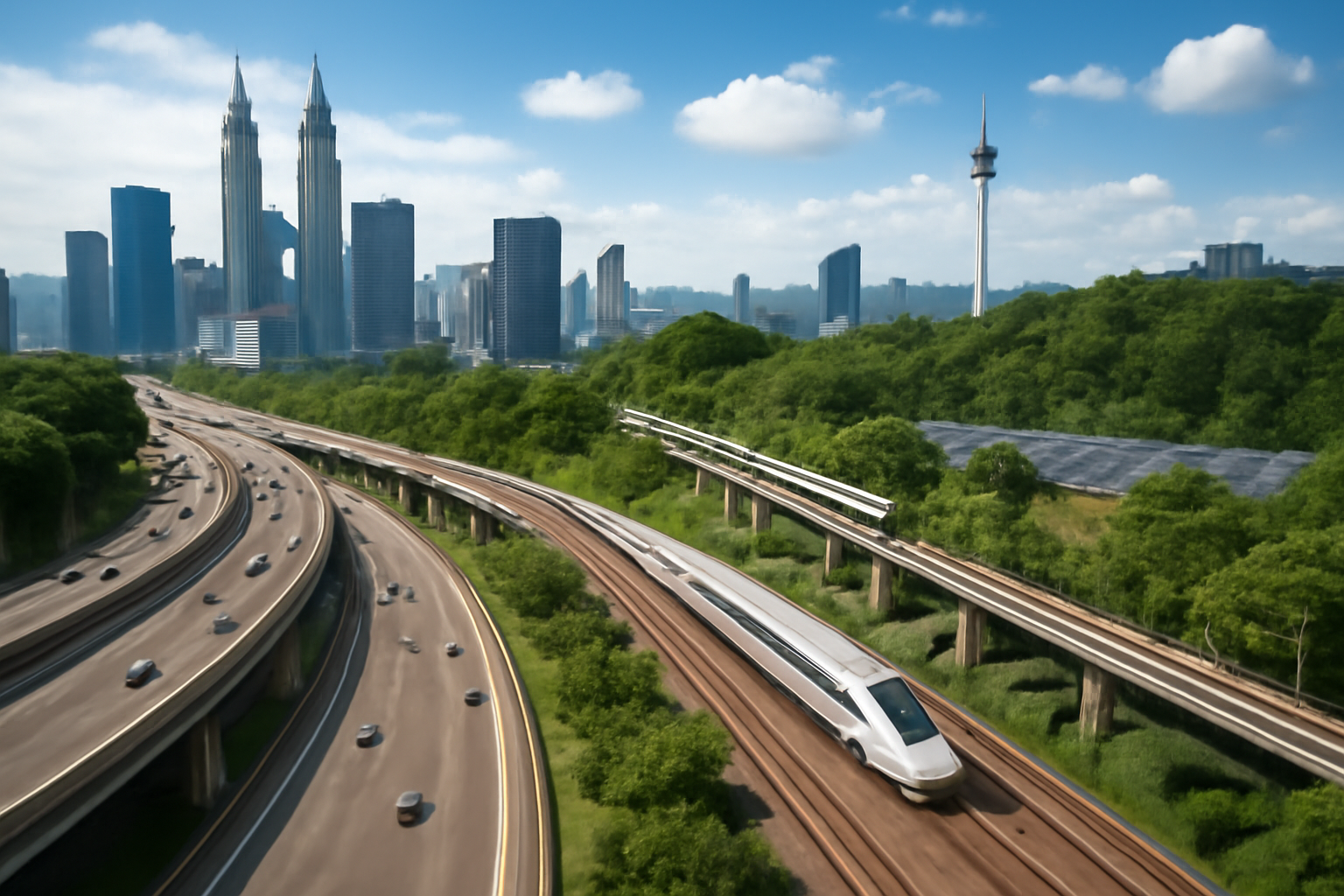
The development of infrastructure in Malaysia is crucial for connecting its regions and ensuring long-term prosperity. By improving connectivity, Malaysia is not only fostering economic development but also enhancing its social and environmental landscape. This article examines the importance of infrastructure in building a connected Malaysia for the future.
Linking States for Economic Integration
Malaysia’s extensive road network is a major contributor to connecting its states, especially through key expressways such as the North-South Expressway. These highways reduce the time and cost associated with traveling between different parts of the country, facilitating trade, tourism, and mobility for both people and goods.
The development of ports and airports has further improved connectivity, enabling Malaysia to become a regional logistics hub. Strategic ports like Port Klang and Penang Port ensure smooth trade with the rest of the world, while airports provide vital international connections for business and tourism.
Economic Transformation Through Infrastructure
Infrastructure development has spurred Malaysia’s transformation into a modern, industrialized nation. The creation of new cities and industrial hubs, backed by robust infrastructure, has driven economic growth, particularly in states such as Selangor and Johor.
Additionally, improved transportation systems have played a critical role in the development of tourism, agriculture, and manufacturing industries, all of which have become significant contributors to the national economy.
Digital Infrastructure for a Connected Future
The digital age requires a strong digital infrastructure, and Malaysia is making significant strides to ensure its future competitiveness. The expansion of 4G and 5G networks, along with the improvement of broadband infrastructure, ensures that Malaysians are well-connected and can benefit from the digital economy.
Digital infrastructure also opens up new opportunities for education, healthcare, and governance, improving public services and social outcomes across the nation.
Sustainability and Green Infrastructure
In response to climate change and environmental concerns, Malaysia is increasingly focusing on sustainable infrastructure development. Renewable energy projects, electric public transport systems, and eco-friendly urban planning are key areas where Malaysia is investing for a greener future.
These projects align with Malaysia’s commitment to achieving the United Nations Sustainable Development Goals (SDGs), promoting environmental sustainability, and ensuring that economic growth is balanced with ecological preservation.