
Education is a vital driver of social and economic development in Malaysia. Over the years, the Malaysian government has worked tirelessly to enhance the quality of its education system through a combination of structural reforms, technological integration, and innovative teaching strategies. In particular, efforts have focused on expanding access to education, improving curriculum quality, and increasing the use of digital tools in classrooms.
Overview of the Malaysian Education System
The Malaysian education system is made up of several key stages, each serving an important function in the development of students. The education system begins with preschool education, which is not mandatory but is increasingly recognized for its role in fostering early childhood development. Primary education, which is compulsory and free, runs for six years, and secondary education spans five years. After secondary school, students have the option of pursuing tertiary education at universities or other higher education institutions, many of which have gained international recognition for their academic excellence.
Key Areas of Educational Reform
The Malaysian government’s efforts to reform the education system are encapsulated in the Malaysia Education Blueprint (2013-2025). This comprehensive document outlines strategies to achieve four main goals: improving the quality of education, ensuring access to education for all students, enhancing equity in education, and fostering the development of a globally competitive workforce. Central to the blueprint is the notion that education must prepare students not just for academic success, but also for the rapidly changing demands of the global economy.
Technological Innovations in Education
The integration of technology has been one of the most important innovations in Malaysian education. With the rise of the digital economy, it has become essential for students to be equipped with digital literacy skills, in addition to traditional academic knowledge. Malaysia’s government has prioritized the development of digital learning tools and infrastructure to ensure that students are well-prepared for the digital future.
The “1BestariNet” initiative aims to provide internet access to all schools, bridging the digital divide between rural and urban areas. Additionally, the “Smart Schools” program encourages the use of interactive learning methods through the implementation of digital whiteboards, e-learning platforms, and virtual classrooms. These technologies provide students with opportunities to engage in personalized learning experiences, where they can learn at their own pace and explore subjects in greater depth.
Expanding STEM Education
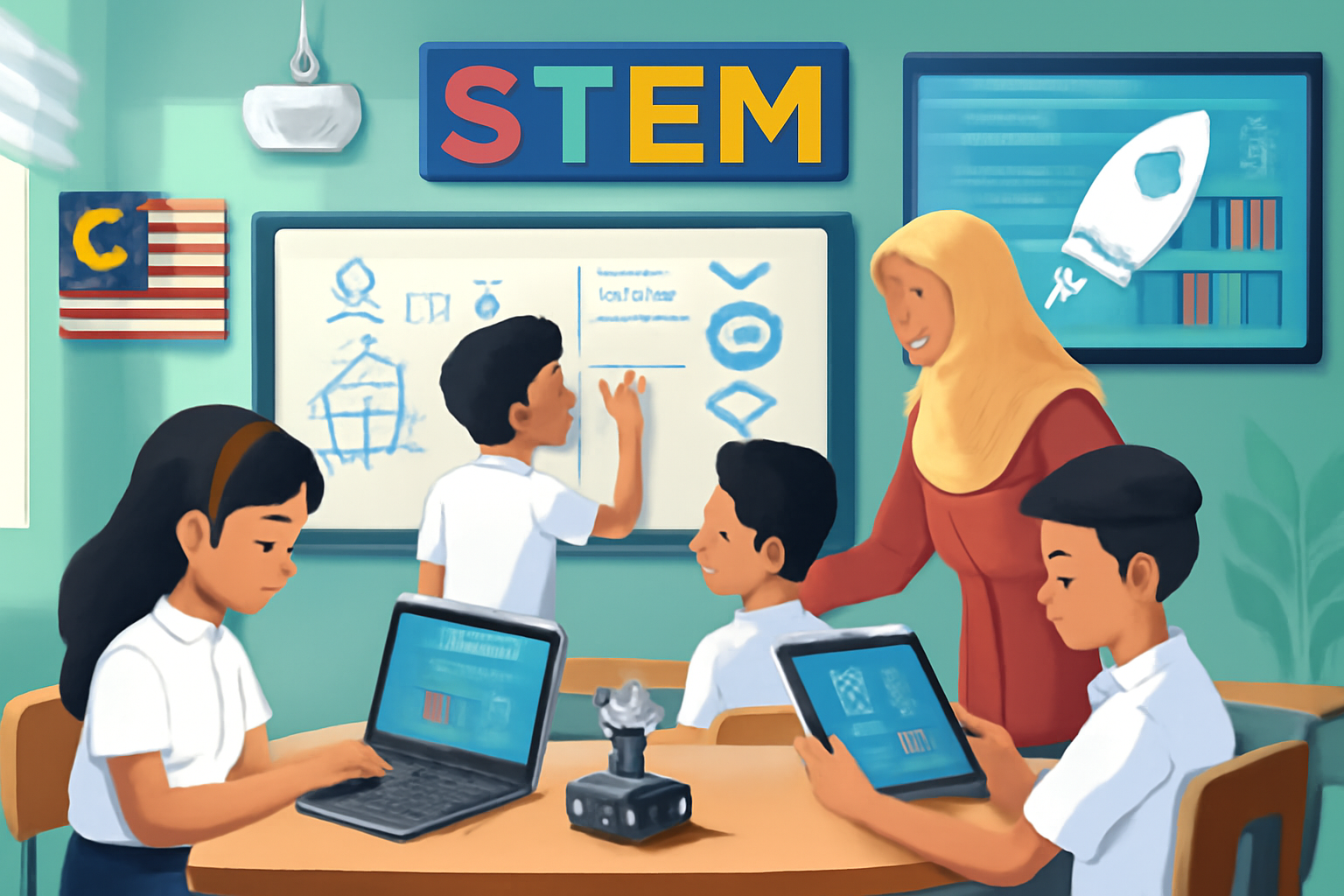
To keep pace with global trends, Malaysia has also placed a major emphasis on STEM (Science, Technology, Engineering, and Mathematics) education. The country recognizes the importance of these subjects in developing a skilled workforce capable of driving innovation and economic growth. Policies have been implemented to integrate STEM learning from an early age, with programs aimed at enhancing student interest in these fields. The government has introduced initiatives to improve teacher training, develop specialized STEM curricula, and establish partnerships with industries to provide real-world exposure for students.
Challenges in Implementation
While technological integration and STEM education are crucial for modernizing Malaysia’s education system, challenges persist in their implementation. The digital divide remains a significant issue, particularly in rural areas where schools may lack the necessary infrastructure, such as reliable internet and computers. This creates an unequal playing field for students in different regions, with urban students often benefiting from more advanced educational resources.
Furthermore, the success of these innovations depends on the ability of teachers to effectively integrate technology into their classrooms. Professional development programs aimed at enhancing teachers’ digital literacy and pedagogical skills are vital in ensuring that the full potential of these technological innovations is realized.
Conclusion
The Malaysian government’s commitment to improving the education system through technological innovations and educational reforms is commendable. With initiatives such as the Malaysia Education Blueprint, the 1BestariNet project, and a focus on STEM education, the country is well on its way to providing quality education to all students, regardless of location or background. However, challenges such as the digital divide and the need for continued teacher training must be addressed to ensure that these innovations reach their full potential. As Malaysia continues to prioritize education, it is clear that the country is taking significant steps toward preparing its students for success in an increasingly digital and interconnected world.