
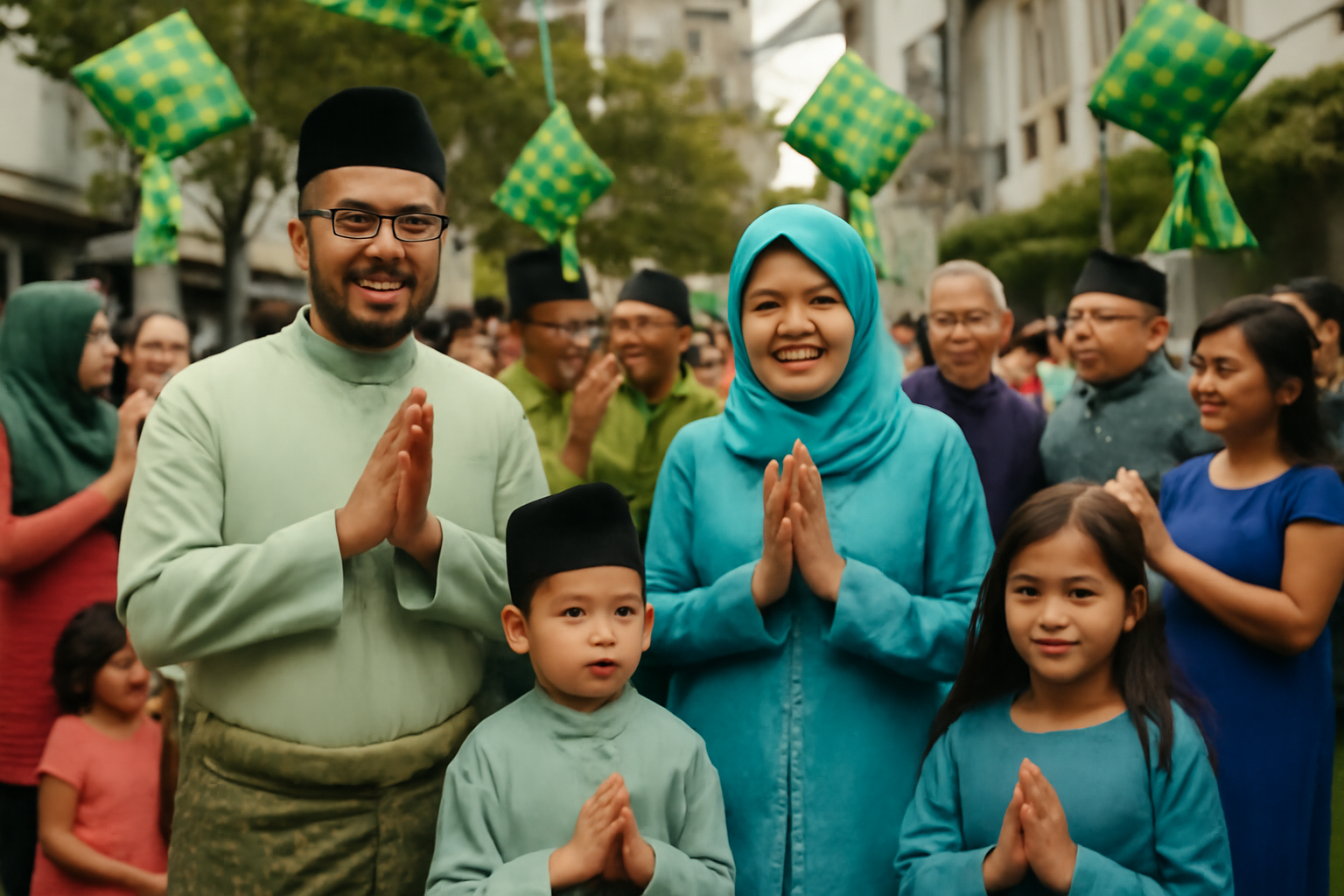
The Malay community has played a significant role in shaping everyday life in Singapore. As one of the major ethnic groups, the Malays have contributed greatly to the country’s cultural, culinary, and religious landscape.
The Malay language, which is also Singapore’s national language, serves as a key symbol of Malay identity. It is used in daily communication, official contexts, and cultural events like Hari Raya Puasa, one of the most important Muslim holidays in Singapore. During this festive time, the Malay community gathers with family and friends to celebrate, exchange gifts, and enjoy traditional meals, such as ketupat and rendang.
Malay cuisine, which includes dishes like nasi lemak, satay, and ayam penyet, has become an integral part of Singapore’s culinary scene. These dishes are enjoyed not only by the Malay community but also by people from various ethnic backgrounds, contributing to the country’s rich gastronomic culture.
The Malay community also maintains a strong religious identity, with Islam playing a central role in their lives. The Sultan Mosque, one of the most iconic landmarks in Singapore, serves as both a religious and cultural hub for the Malay Muslim community. The mosque hosts various religious services, community events, and cultural activities, showcasing the blend of religion and tradition.
Additionally, the Malay arts, such as silat (traditional martial arts) and gamelan music, are an essential part of Singapore’s cultural offerings. These performances are often showcased at cultural festivals, attracting people from all backgrounds who wish to learn more about Malay traditions.